

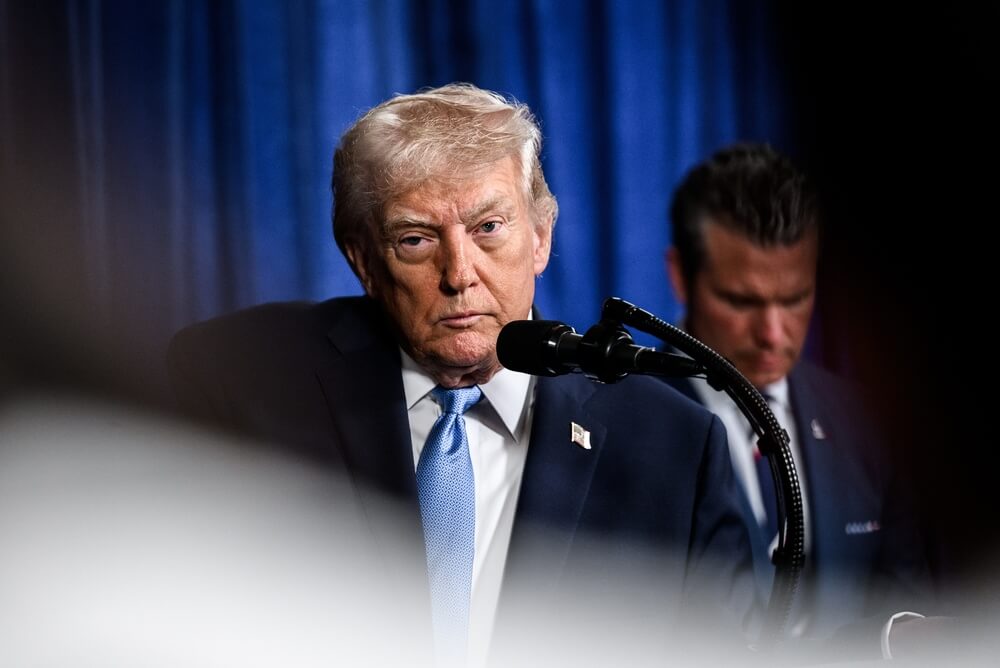
President Donald Trump confirmed on Saturday night that the United States has begun communicating with Cuban leaders, even as his administration increases pressure on the island by cutting off key oil supplies. Speaking to reporters aboard Air Force One en route to Florida, Trump said, “We’re starting to talk to Cuba,” but offered no details on the level or timing of the outreach.
Oil Cuts as a Negotiation Tool
The US has recently halted oil shipments from Venezuela and Mexico, moves Trump indicated are intended to push Cuba toward negotiations. The administration has framed these actions as part of a broader strategy following the capture of Venezuela’s then-president Nicolás Maduro earlier this year, and amid a more aggressive stance toward nations seen as adversaries of the United States.
Cuba, now heavily reliant on Mexican oil, has already felt the economic squeeze. Last week, Trump signed an executive order imposing tariffs on goods from any country that provides oil to Cuba, further intensifying pressure on Mexico to restrict shipments to the island.
Concerns Over Humanitarian Impact
Mexican President Claudia Sheinbaum responded to the new measures by warning they could spark a humanitarian crisis, and pledged to explore alternatives to continue supporting Cuba. Trump downplayed the concern, telling reporters, “It doesn’t have to be a humanitarian crisis. I think they probably would come to us and want to make a deal.”
Trump Predicts a Deal and a “Free Cuba”
While the administration’s ultimate objectives with Cuba remain unclear, Trump expressed confidence that the Cuban government is nearing collapse. “So Cuba would be free again,” he said, predicting that negotiations would lead to some sort of agreement and emphasizing that the US would “be kind” in any deal reached.

