

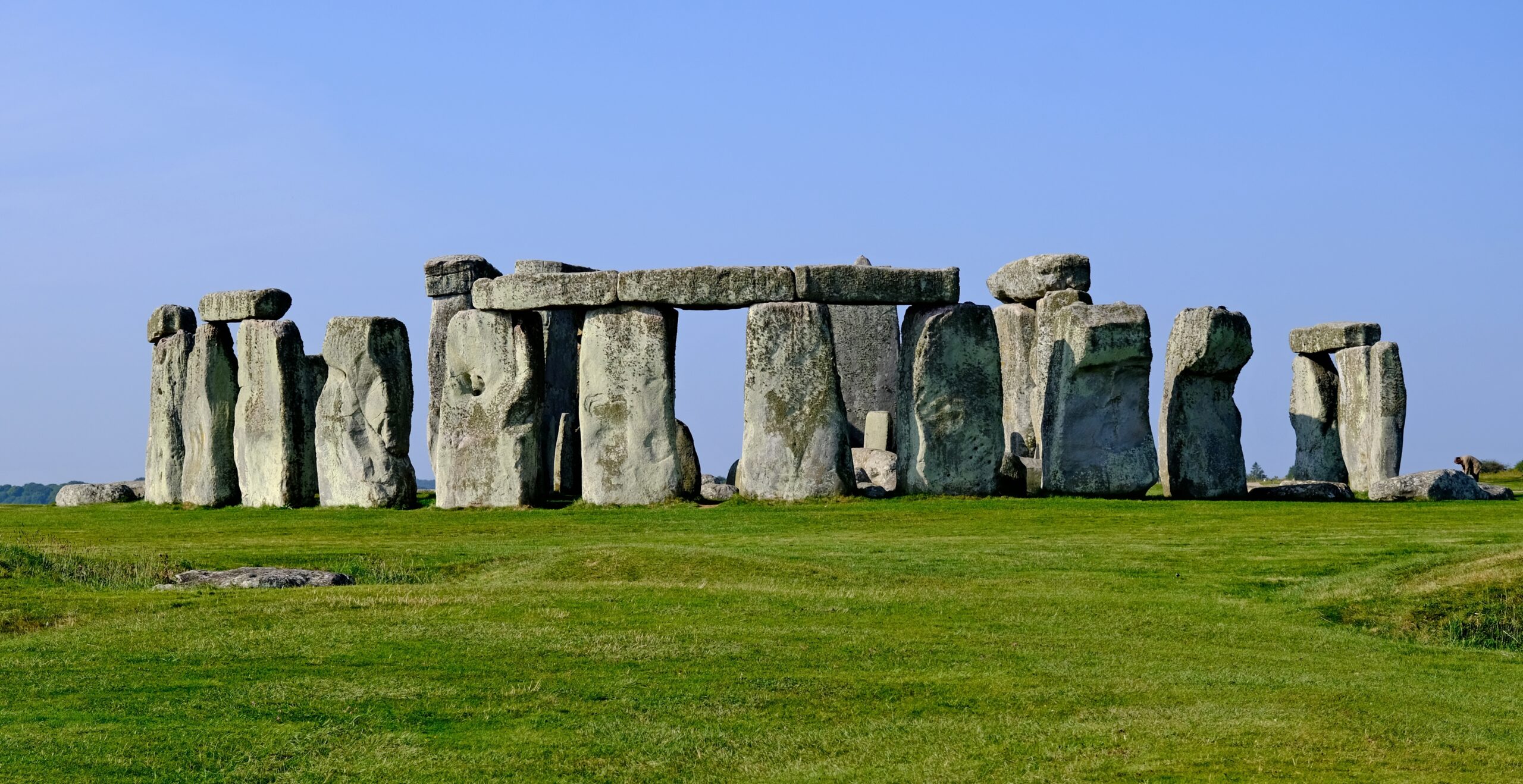
Archaeologists say they now have strong evidence that huge circular pits near Stonehenge were carved by humans more than 4,000 years ago.
The “Durrington pit circle” is thought to consist of about 20 massive pits stretching more than a mile across, with some holes measuring up to 10 metres wide and 5 metres deep. While the discovery in 2020 sparked claims it was the largest prehistoric structure in Britain, some experts suggested the pits might be natural.
A new study has combined advanced techniques including radar, magnetometry, electrical resistance scanning, soil DNA analysis and light-based dating of sediments. Researchers found repeating patterns in the soil that they say could not have formed naturally.
Lead researcher Prof Vincent Gaffney said the evidence strongly supports human construction, calling the structure “extraordinary”. The team believes the pits date to the late Neolithic period and may have been linked to ancient beliefs about the underworld.

