

Budapest Demands Pipeline Repairs Before Supporting Sanctions
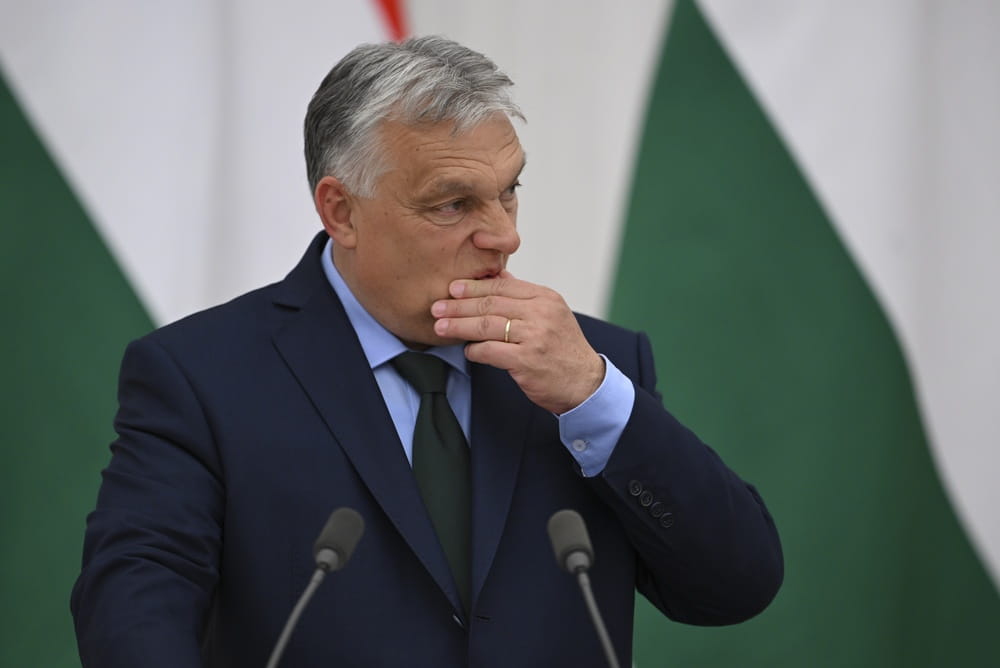
Hungary has declared it will block the EU’s 20th sanctions package against Russia until Ukrainian oil supplies are restored. Prime Minister Viktor Orbán told the Energy Security Council that no EU war loans or financial aid to Ukraine will proceed while Hungary’s oil deliveries remain cut off.
Foreign Minister Péter Szijjártó added that the sanctions package, due to be adopted by EU foreign ministers, will be withheld until Ukraine repairs the Druzhba pipeline, damaged in a Russian attack. He also noted that a recently suspended diesel delivery service would not resume under current conditions.
Energy Supplies to Ukraine at Risk
Nearly half of Ukraine’s electricity imports come from Hungary, raising concerns over potential disruptions. Szijjártó stressed that any halt would directly affect Hungarian citizens and ethnic Hungarians in Transcarpathia. Slovakia has issued similar warnings: Prime Minister Robert Fico said he could order the national electricity company to stop emergency power deliveries to Ukraine if oil shipments are not restored. Both Hungary and Slovakia suspended deliveries at the end of January following a Russian drone strike on the Druzhba pipeline.
Kyiv Condemns ‘Ultimatums and Blackmail’
Ukraine has sharply condemned the move, accusing Hungary and Slovakia of “playing into the hands of the aggressor.” The Ukrainian Foreign Ministry described the actions as provocative and irresponsible, particularly given ongoing Russian missile and drone attacks on Ukraine’s energy infrastructure that have left civilians without power during one of the coldest winters in recent memory.
Orbán, who maintains a close relationship with Moscow, argues that Russian energy is vital for Hungary’s economy and warns that switching sources could trigger an economic collapse—a claim disputed by some analysts. He has repeatedly threatened to block EU sanctions on Russia and has vetoed efforts to provide military and financial support to Ukraine, making Hungary a key obstacle to the EU’s energy and war-related policies.

