

TIRANA — Mounting evidence suggests that sanctioned Russian and Iranian networks are exploiting Albania’s weak oversight and opaque business structures to evade Western sanctions, raising alarm among NATO and European Union partners.
Investigations indicate that through a mix of negligence, corruption and regulatory loopholes within Prime Minister Edi Rama’s government, entities operating in key infrastructure sectors have facilitated commercial exchanges that appear to breach international sanctions.
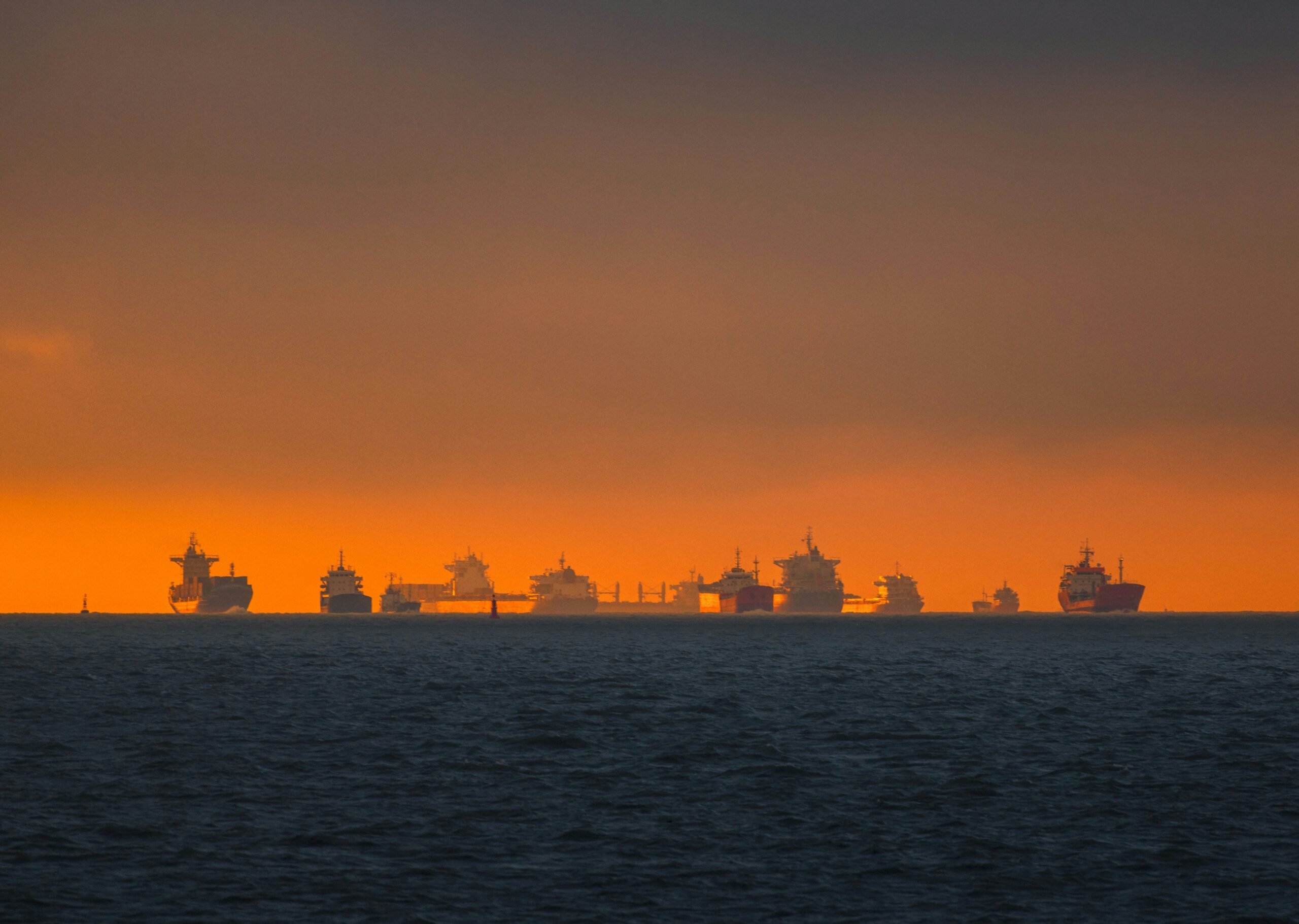
A major investigation by RBC Ukraine revealed that banned Russian fuel products are being smuggled into Europe through Albanian ports. The report detailed deceptive cargo declarations — including ships docking at the private port of Porto Romano near Durrës falsely labeled as carrying cement but actually loaded with hundreds of thousands of liters of undeclared diesel. The operation, according to Balkan Insight, involves intermediaries linked to Libya’s Khalifa Haftar and could be helping finance Russia’s war in Ukraine.
Around the same time, another troubling case emerged involving a Swiss-based company with Turkish-Iranian shareholders previously sanctioned by the United States. Reports suggest the firm used Algeria as an intermediary to enter Albania’s market, despite having verifiable links to Iran’s Revolutionary Guard Corps. The company’s expansion into Albanian infrastructure has raised fresh questions about how sanctioned Iranian interests may have quietly infiltrated the country’s economy.
Further concerns have surfaced around Vlora International Airport, a flagship national project now under scrutiny for its secretive ownership structure. Local investigations reveal that the airport’s operating company partnered with an offshore vehicle called Compartment Bernina, a Luxembourg-based entity established under securitisation law. According to Vox News Albania, Bernina is linked to individuals with ties to Russian state interests and structured in a way that could transfer strategic Albanian assets beyond national jurisdiction.
Experts say these developments expose systemic vulnerabilities in Albania’s governance of critical infrastructure. Analysts at The GPC warn that while Albania remains a NATO member and close U.S. ally, its regulatory weakness has left ports, refineries and airports open to exploitation by sanctioned actors seeking European entry points.
Whether through corruption, complacency or deliberate collusion, Albania now represents one of the most significant loopholes in the sanctions architecture erected by Western allies. Unless transparency and enforcement improve rapidly, this Balkan nation could become the most dangerous soft spot in Europe’s economic defenses against Moscow and Tehran.

