

Christmas is a chance to relax, but simple activities can spark scientific curiosity at home.
Researchers say you do not need equipment or expertise to explore science together.
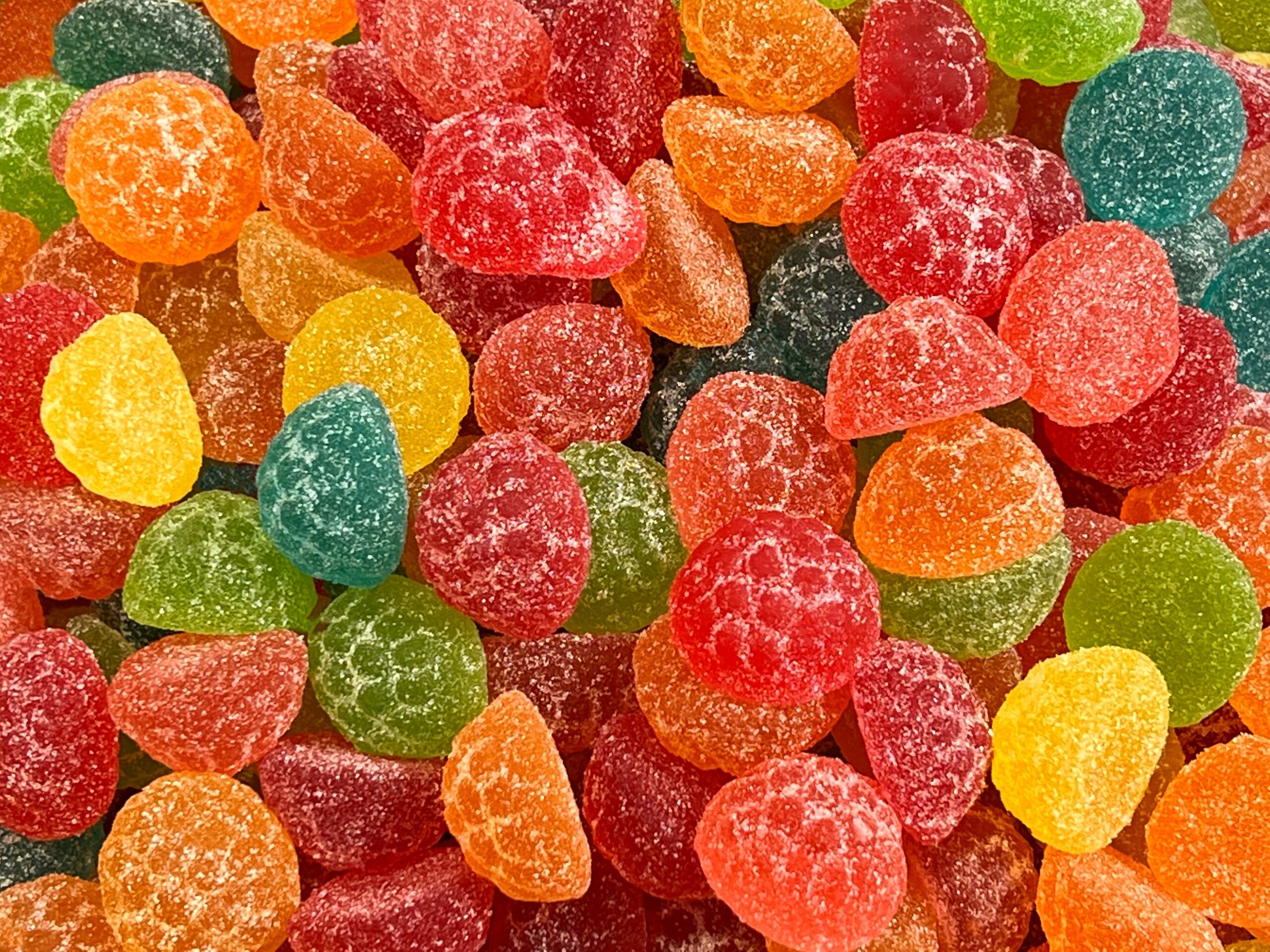
Professor Matthew Cobb from the University of Manchester suggests tasting sweets while holding your nose.
Most flavours disappear until smell returns, showing how taste depends on olfaction.
Cracker jokes can also become experiments.
Professor Sophie Scott of University College London says laughter is mainly social, not about humour quality.
Reading jokes aloud increases laughter, especially among friends and family.
Social connection amplifies the response, even to terrible jokes.
Christmas dinner offers anatomy lessons too.
Professor Steve Brusatte from the University of Edinburgh recommends examining turkey bones after roasting.
The skeleton reveals how wings move and store energy during flight.
Boiling the carcass leaves a three-dimensional bone puzzle, says Professor Sue Black of the University of Oxford.
Chemistry can appear in the kitchen through homemade ice cream.
Professor Andrea Sella at UCL explains how salt lowers freezing temperatures using ice and custard.
Mathematics even fits festive walks.
Professor Kit Yates from the University of Bath suggests using pine needles to estimate pi through probability.
Experts say these moments show science is everywhere, even at Christmas.

