

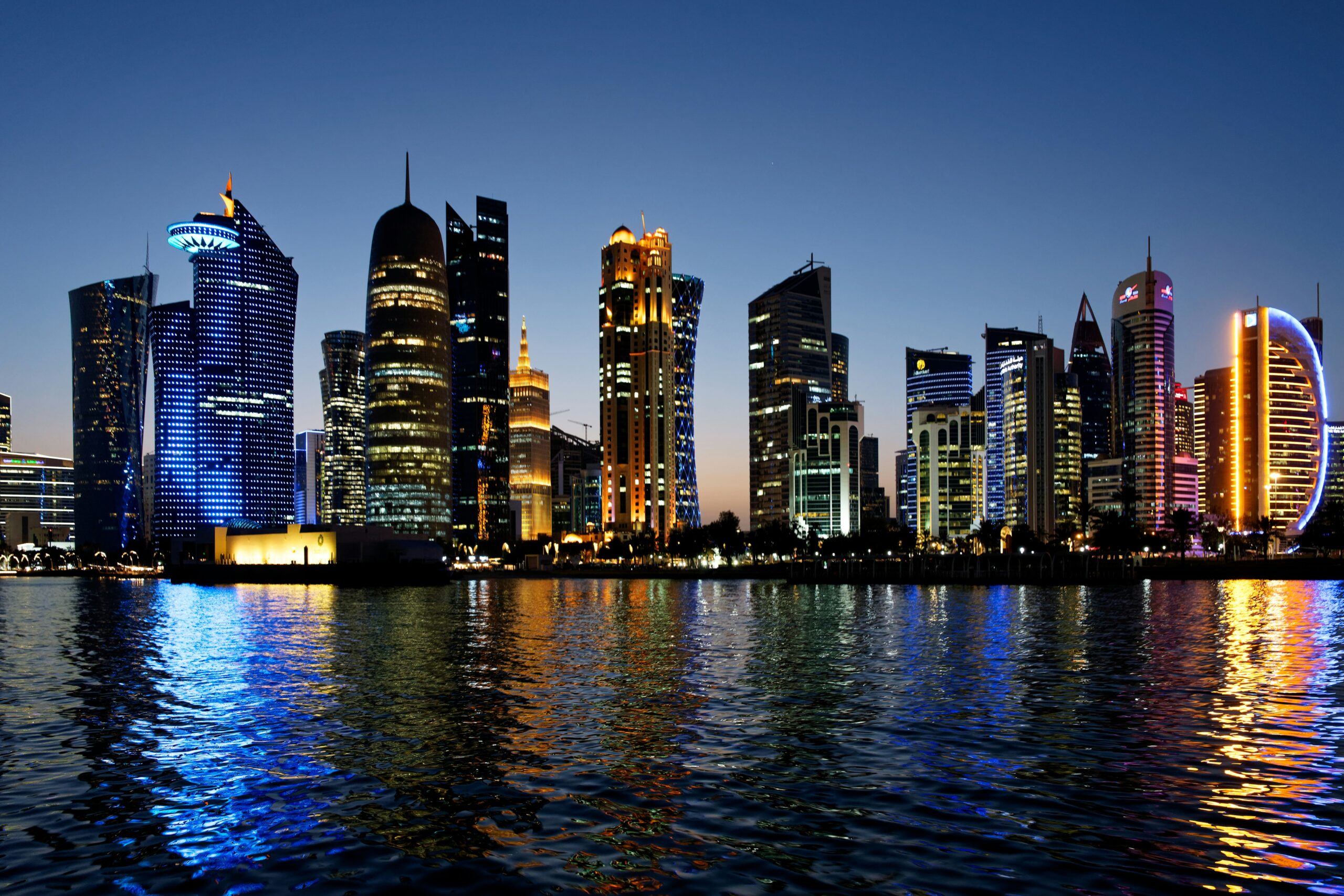
Afghanistan and Pakistan reached a ceasefire after talks with Qatari mediators in Doha, Qatar’s Foreign Ministry confirmed.
Both nations agreed to resume follow-up negotiations in Qatar to set terms for lasting peace.
The truce ended a week of deadly border clashes that killed dozens and injured hundreds.
Qatari officials said Turkish mediators also played a key role in brokering the deal.
Delegates from both countries vowed to create mechanisms that strengthen stability and prevent renewed hostilities.
Escalation and Cross-Border Strikes
Violence intensified this month as each country accused the other of unprovoked aggression.
Afghanistan denied claims of harbouring militants behind attacks along the border.
Pakistan reported growing militancy in its western border regions since the Taliban’s 2021 return to power.
These clashes further endangered a region where Islamic State and al-Qaeda factions seek revival.
Hours after a brief truce expired on Friday, Pakistan launched airstrikes in Afghanistan’s Paktika province.
Islamabad said the attacks targeted Hafiz Gul Bahadur militants and killed dozens of fighters without harming civilians.
Officials described the strikes as retaliation for a suicide bombing at a security compound in Mir Ali, Khyber Pakhtunkhwa.
Taliban authorities, however, reported ten civilian deaths, including women, children, and local cricket players near the strike zone.
Fallout and Ongoing Tensions
The Taliban condemned Pakistan’s “repeated crimes” and accused it of violating Afghan sovereignty.
Afghan officials called the attacks deliberate attempts to extend the conflict.
Pakistan’s army chief, Asim Munir, urged Afghanistan to favour “mutual security over perpetual violence.”
He demanded that the Taliban curb militants operating from Afghan sanctuaries.
Meanwhile, Afghanistan’s cricket board boycotted an upcoming tournament in Pakistan in protest.
The International Cricket Council mourned the deaths of the young Afghan players.
Both nations continue to contest the 2,600-kilometre Durand Line that divides their territories.
Afghanistan refuses to recognise the border, calling it a colonial imposition from 1893.
Kabul instead claims the 1947 borders, which include disputed regions in Pakistan.
This unresolved boundary issue has repeatedly sparked armed skirmishes and militant-led conflicts for decades.

