

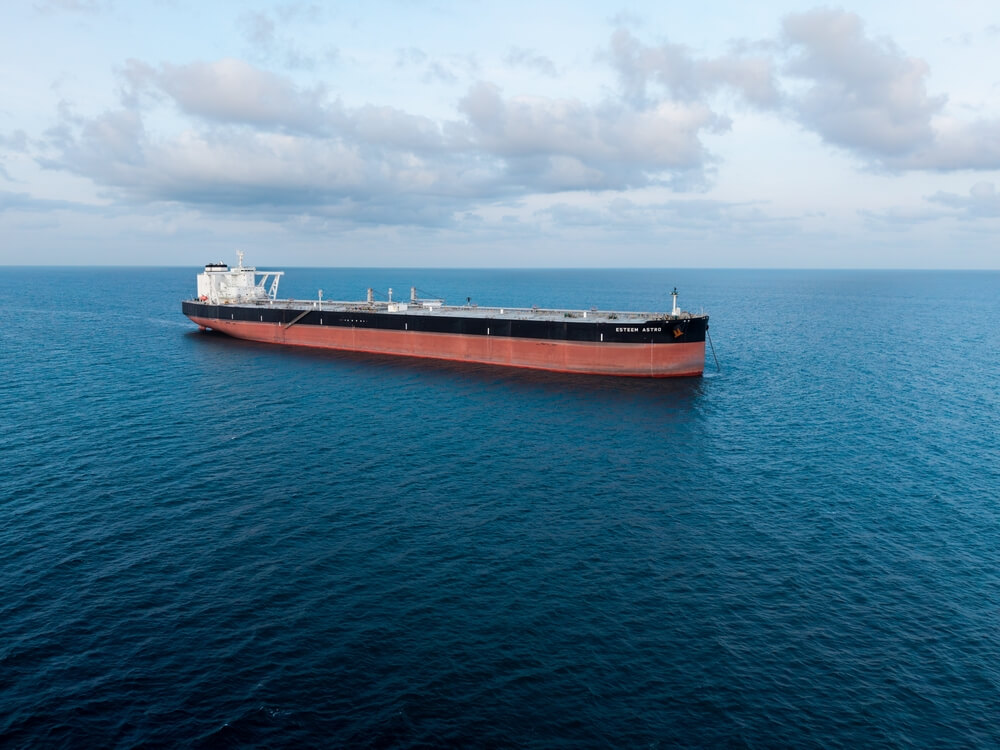
The United States has seized yet another oil tanker attempting to bypass sanctions on Venezuela, marking the fifth vessel intercepted in recent weeks. The operation highlights Washington’s growing naval presence in the Caribbean, aimed at enforcing US sanctions and curbing illicit oil shipments from the South American nation.
Targeting the ‘Ghost Fleet’
The latest vessel, Olina, was described by US Homeland Security Secretary Kristi Noem as part of a “ghost fleet” — a group of ships using false identities to transport embargoed oil. These tankers often operate under fake flags or manipulated documentation to evade detection. Noem stated that the vessel departed Venezuela intending to bypass US enforcement, but was intercepted by the US Coast Guard. She added, “The ghost fleets will not outrun justice. They will not hide under false claims of nationality.”
The seizure underscores the complexity of modern maritime enforcement. Ghost fleet tankers are frequently equipped with advanced technology to mask their movements, and authorities say operations like this require precise coordination between intelligence agencies, naval forces, and law enforcement. The euronews reported that this seizure comes amid a series of coordinated actions by US forces to enforce economic sanctions and maintain pressure on the Maduro government.
A High-Stakes Military Operation
The operation was carried out in the early hours, with Marines and Navy personnel deploying from the USS Gerald R. Ford aircraft carrier, the world’s largest. US Southern Command (SOUTHCOM) released footage showing troops rappelling from helicopters to board and secure the tanker. According to ChannelNewsAsia, this is part of a broader campaign that has included intercepting drug-trafficking vessels, seizing other tankers, and maintaining a visible US naval presence to discourage further illegal activity.
SOUTHCOM emphasized that these actions send a clear message: “There is no safe haven for criminals.” Officials noted that the precision and speed of the operation reflect both training and real-time intelligence, highlighting the US military’s growing role in enforcing sanctions at sea.
Trump Signals Prolonged Pressure on Venezuela
President Donald Trump first announced the naval blockade last month, ordering US forces to prevent sanctioned oil shipments from reaching international markets. Since then, five vessels have been seized, including a Russia-linked tanker in the North Atlantic, which drew condemnation from Moscow, according to InfoMarine.
Trump suggested that US involvement in Venezuela’s oil sector could extend far beyond initial estimates. In a recent interview, he said Washington might maintain oversight for “much longer” than expected, signaling a long-term strategy to control the country’s resources and limit Maduro’s access to revenue. Analysts warn this could heighten tensions in the region, as Venezuela’s government decries the actions as violations of sovereignty while the US frames them as necessary to uphold international sanctions.
With repeated interceptions and a visible military presence, US authorities continue to pressure Venezuela economically and politically. Experts suggest that similar operations will likely continue, targeting vessels attempting to evade sanctions and maintaining scrutiny over the nation’s critical oil exports.

