

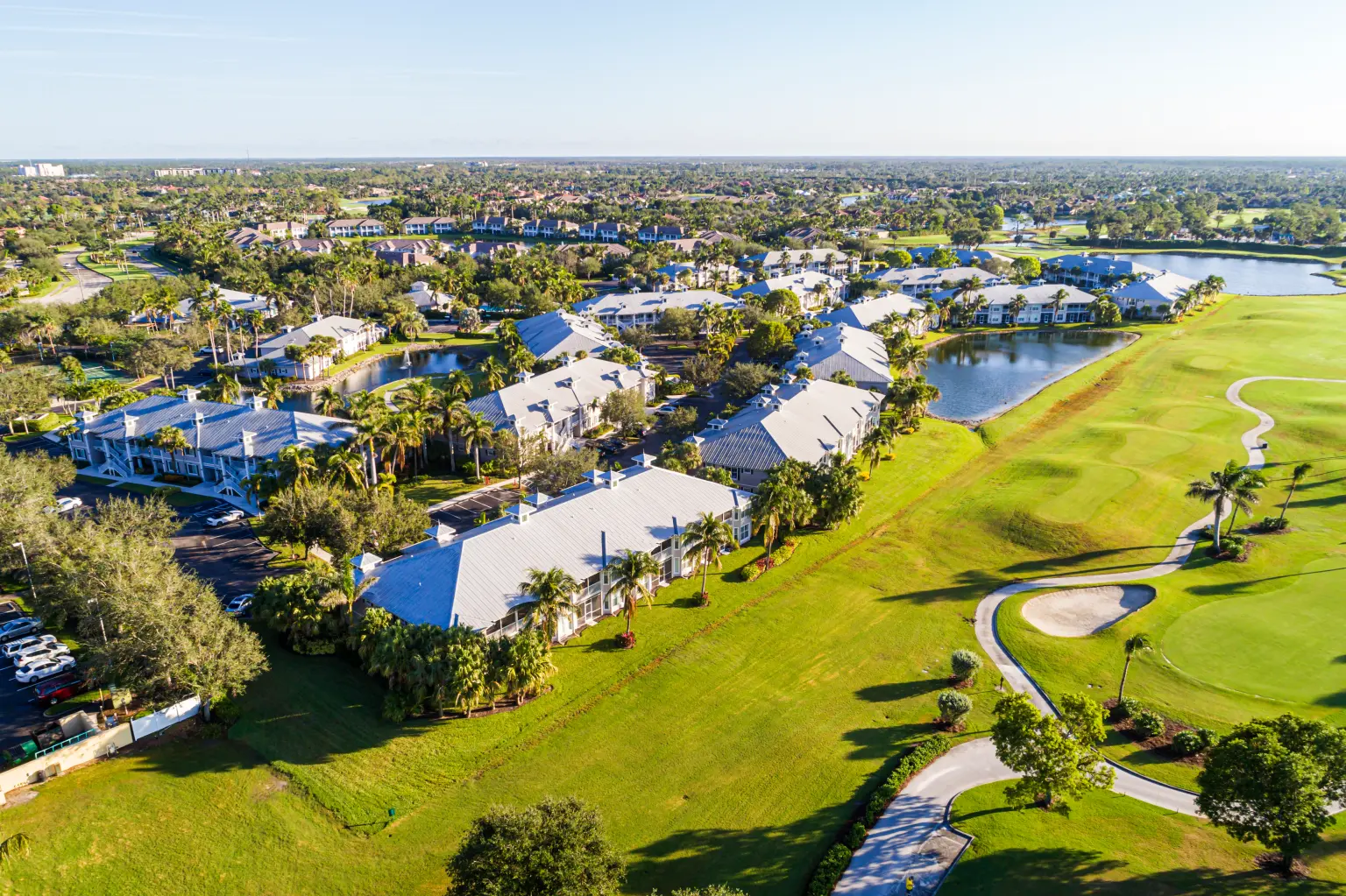
Ultra-luxury home sales in the United States reached historic levels in 2025. For the first time, all of the top ten residential property sales exceeded $100 million. This marked a significant milestone for the high-end housing market, demonstrating strong demand from wealthy buyers despite broader economic concerns.
The surge in ultra-luxury home sales reflected a growing appetite for exclusive properties. Buyers focused on privacy, space, and long-term value. Many of these homes featured large waterfront plots, private security, and resort-style living. These features made them stand out even among luxury listings.
Florida and California led the market once again. These states accounted for most of the highest-priced transactions. Florida remained popular due to its tax-friendly environment, warm climate, and growing financial influence. Coastal cities attracted buyers seeking ocean views, gated estates, and modern design.
California also played a key role in driving ultra-luxury home sales. Prime locations continued to draw interest from global buyers. These homes often offered large land parcels, advanced technology, and architectural detail. Buyers viewed these properties as both lifestyle assets and long-term investments.
The rise in ultra-luxury home sales came as many high-net-worth individuals looked for stability. Real estate offered a sense of security during uncertain times. Tangible assets like land and property felt safer than volatile markets. This mindset helped push prices higher at the top end.
Another factor behind the boom was limited supply. Ultra-luxury homes are rare by nature. Many are custom-built and located in highly restricted areas. When such properties enter the market, competition can be intense. This scarcity drove prices beyond previous records.
International interest also supported the surge in ultra-luxury home sales. Buyers from various regions sought the United States for secure ownership rights and robust legal protections. The U.S. market remained attractive due to transparency and long-term growth potential.
Technology played a role in speeding up high-end deals. Virtual tours and private digital viewings allowed buyers to act quickly. Many purchases happened without extended negotiations. Wealthy buyers valued speed and discretion over lengthy price talks.
Lifestyle changes after recent global events continued to influence buyer choices. Large homes with outdoor space, wellness areas, and private offices gained value. Ultra-luxury buyers wanted properties that could support work, rest, and family life in one place.
Despite high interest rates in other housing segments, ultra-luxury home sales remained strong. Buyers in this market often paid in cash or used minimal financing. This insulated them from borrowing costs that affected other buyers.
Experts noted that ultra-luxury home sales tend to reflect confidence among the wealthy. When this segment grows, it often signals strong financial positions at the top. In 2025, that confidence appeared solid.
The record-breaking sales also reshaped expectations for future listings. Sellers began pricing homes higher, expecting strong demand. Developers focused more on ultra-luxury projects, especially in coastal and resort-style areas.
However, the market remains selective. Only properties with prime locations, unique design, and strong privacy features reached the highest price points. Average luxury homes did not see the same level of growth.
Looking ahead, ultra-luxury home sales are expected to stay strong if supply remains tight. Wealth preservation, lifestyle demand, and global interest will likely continue to support this market.
The 2025 figures set a new benchmark for the U.S. housing market. With every top sale crossing $100 million, ultra-luxury home sales entered a new era. The year confirmed that the very top of the market remains resilient, exclusive, and highly competitive.

