

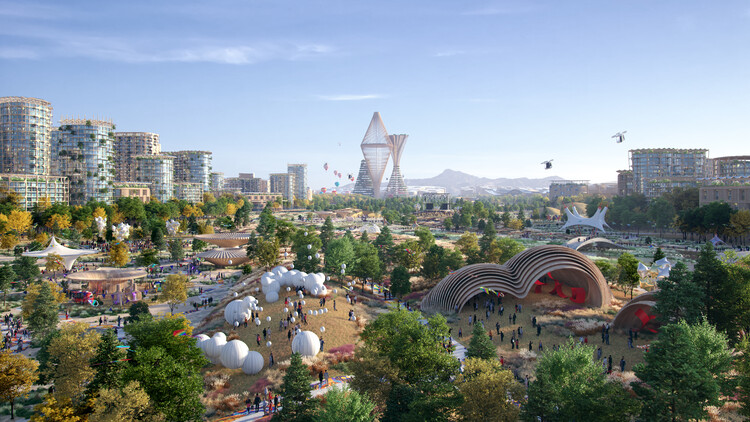
A major U.S. city has unveiled an ambitious biodiversity action plan designed to integrate nature into urban life. The report, produced by a city biodiversity task force, contains more than 70 recommendations aimed at incorporating green spaces, pollinator habitats, and ecosystem services into city planning.
The plan reflects a growing recognition of the importance of urban nature. By embedding parks, green corridors, and natural habitats into neighborhoods, the city aims to enhance ecological health, promote resilience, and improve quality of life for residents.
Key recommendations focus on increasing access to nature for all neighborhoods. Ensuring that every community has nearby green spaces and pollinator habitats supports physical and mental health, fosters community connection, and encourages outdoor activity.
The city’s strategy emphasizes ecosystem services, including stormwater management, air purification, and temperature regulation. Green infrastructure projects, such as wetlands, rooftop gardens, and street tree programs, are designed to provide both environmental and social benefits.
Experts note that urban biodiversity planning also strengthens resilience against climate change. By preserving and restoring natural areas, cities can mitigate flooding, reduce heat stress, and support wildlife while maintaining a livable environment for people.
Community engagement is central to the plan. Residents are encouraged to participate in planting initiatives, habitat restoration, and environmental education programs. Local involvement helps ensure that projects reflect community needs and encourages stewardship of natural spaces.
Equity is a core principle. Targeting improvements in underserved neighborhoods ensures that the benefits of green infrastructure, clean air, and recreational spaces are shared broadly, reducing disparities in environmental quality across the city.
The plan integrates nature as a critical element of urban infrastructure, on par with housing, transport, and utilities. This approach allows funding, governance, and planning to prioritize ecological health alongside traditional development needs.
Collaboration across city departments is essential. Urban planning, public health, transportation, and environmental agencies work together to coordinate projects, maximizing ecological impact while creating safer, healthier communities.
The biodiversity initiative also supports education and innovation. Schools and universities can participate in research, monitoring, and environmental programs, fostering a culture of sustainability and encouraging the next generation of environmental leaders.
Funding mechanisms are expected to expand as a result of this plan. By framing nature as infrastructure, the city can access public and private investments, supporting long-term maintenance, habitat restoration, and innovative green projects.
Overall, the city’s biodiversity action plan represents a significant step forward in urban sustainability. Integrating nature into daily life enhances community well-being, strengthens resilience, and promotes ecological balance.
This initiative demonstrates that cities can lead in biodiversity and sustainability. By implementing practical, science-based recommendations, urban areas can create green, healthy spaces while fostering social and environmental benefits.
The plan positions the city as a national leader in urban ecology. Its comprehensive approach provides a model for other cities seeking to integrate nature, protect wildlife, and build sustainable communities.
By prioritizing green infrastructure, pollinator habitats, and ecosystem services, the city ensures that urban development and environmental protection go hand in hand. Residents gain access to cleaner air, cooler streets, and more recreational spaces.
Ultimately, this bold biodiversity action plan underscores the value of nature in urban life. It shows that strategic planning, community engagement, and investment in green infrastructure can deliver healthier, more resilient, and vibrant cities.

