

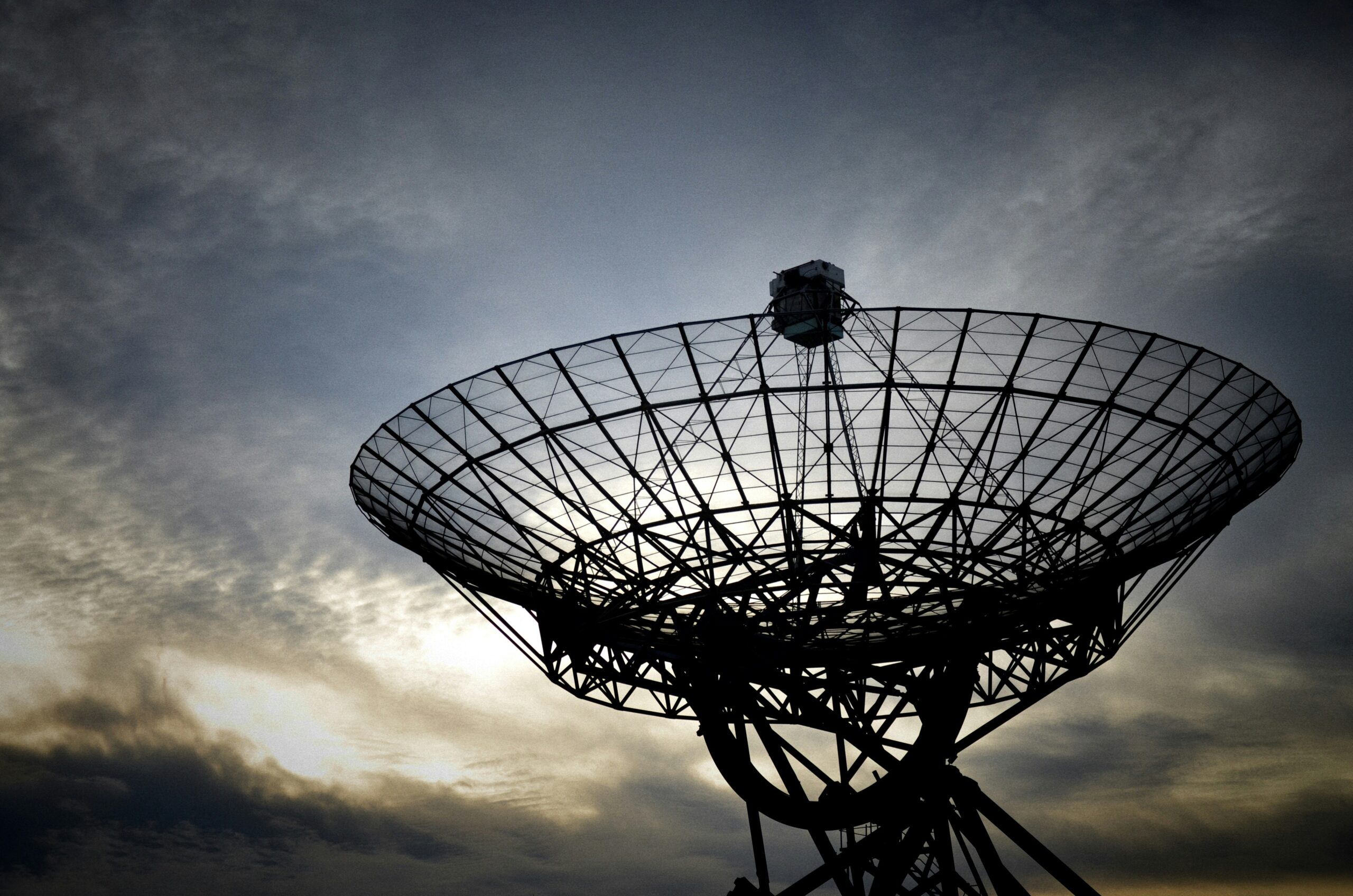
Researchers recorded more than 237 cyber operations targeting space infrastructure from 2023 to 2025.
The report warns that cyberwarfare now threatens satellites and communication networks worldwide.
From January 2023 to July 2025, cyber actors launched 237 attacks during the Gaza conflict.
Analysts at the Center for Security Studies (CSS) at ETH Zürich compiled data from social media, news articles, and cybercrime forums.
They documented attacks on Israel’s space sector and international space agencies.
Attack levels peaked in June 2025, when Israel and Iran faced each other, producing 72 attacks in one month.
Clémence Poirier, the report author, says this spike represents nearly one-third of all incidents recorded.
The study observes that cyber activity against space infrastructure mirrors patterns seen during Russia’s invasion of Ukraine.
The research identifies nearly all threat actors as pro-Palestinian groups.
It notes that Hamas has no satellites or space systems over Gaza, while pro-Israeli groups may have conducted covert operations.
Patterns and Methods of Attacks
In October 2023, attackers launched ten operations after Hamas’s armed incursion on October 7.
They targeted the Israel Space Agency (ISA) and the defence firm Rafael.
The report states the escalation surprised hacktivists worldwide, delaying their coordination and target selection.
Hacktivists struck 77 space-related organisations during the Gaza conflict.
They concentrated attacks on Rafael, Elbit Systems, and ISA, while also targeting international bodies like NASA.
Researchers note attackers focused on aerospace and defence firms due to military equipment production, not space operations.
More than 70 percent of attacks involved denial-of-service (DDoS) operations, overwhelming networks until systems failed.
The report explains attackers prefer DDoS because they require minimal expertise and can distract from complex intrusions.
Other attacks involved data breaches, leaks, and system intrusions.
Some leaks coincided with key conflict events, though researchers admit verification remains difficult and some claims may be fabricated.
Manual open-source investigations reveal visible incidents likely represent only a fraction of total activity.
Increasing Consistency of Space Cyber Warfare
The highest activity occurred during a 12-day confrontation between Israel and Iran in June 2025, producing 72 attacks.
Pro-Palestinian and pro-Iranian groups launched operations against Israel simultaneously.
The report explains the two conflicts influenced each other politically, militarily, and rhetorically, while actors sometimes engaged across both arenas.
Hacktivists adapted successful techniques from other conflicts for Gaza operations.
For example, the Cyber Army of Palestine used code similar to the IT Army of Ukraine during a 2023 DDoS attack on ISA.
Although most attacks caused limited physical damage, researchers say the pattern predicts future space-related cyber conflicts.
The study concludes that cyber operations are becoming a consistent element of modern warfare, reflecting hacktivist interest in the space sector.
Finally, researchers urge the creation of space-focused cyber strategies to protect critical infrastructure from future attacks.

