

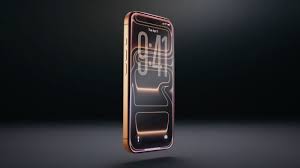
Apple has officially launched the iPhone 17 series and the new iPhone Air, introducing updates aimed at improving user experience. While camera upgrades, battery life, and performance grabbed most attention, one feature quietly stands out and is already generating buzz among users.
The iPhone 17 models now address the Pulse Width Modulation (PWM) dimming issue, a long-standing concern for many smartphone users. PWM is a technology used to adjust screen brightness on OLED displays by rapidly switching the screen on and off. While effective in controlling brightness, it can cause discomfort. Low PWM rates often lead to eye strain, headaches, and visual fatigue during extended screen use.
Apple has faced criticism in the past for using low PWM rates in its devices, which caused discomfort among users sensitive to screen flickering. With the iPhone 17 series, Apple has introduced improvements to the display system to minimize or eliminate these effects. This change makes prolonged phone usage more comfortable for users prone to visual fatigue.
The redesigned OLED screens in the iPhone 17 series feature improved dimming technology that reduces visible flicker. Users sensitive to screen brightness will notice a smoother display experience, even at lower brightness levels. Early testers report a noticeable reduction in eye strain compared to previous models. Many users who avoided older iPhones due to flickering effects now find the new screens easier on the eyes.
Reducing PWM flicker has broader health benefits. Extended exposure to low PWM rates has been linked to digital eye strain and headaches, particularly for people using devices for long periods for work, reading, or media consumption. By addressing this problem, Apple is taking a proactive step toward improving digital well-being.
This change may also influence the smartphone industry. Competitors could adopt flicker-free displays, which may become a standard in future high-end smartphones. Users increasingly value not just performance and design but also comfort and eye health. Apple’s move highlights its awareness of evolving consumer expectations.
Improving PWM dimming also fits Apple’s focus on accessibility. The company has steadily introduced features to make devices easier to use for people with visual sensitivities. By resolving the PWM issue, Apple ensures that a wider range of users can enjoy devices without discomfort.
The iPhone 17 and iPhone Air also come with other upgrades, including advanced cameras, faster processors, and longer battery life. Yet, for users sensitive to screen flicker, the PWM fix may be the most significant improvement.
The iPhone 17 series’ new display technology is a meaningful step forward for user comfort. By addressing the PWM dimming issue, Apple responds to past criticism and sets a higher standard for visual comfort in smartphones. For those affected by flicker-induced strain, this upgrade could significantly improve daily device use.

