

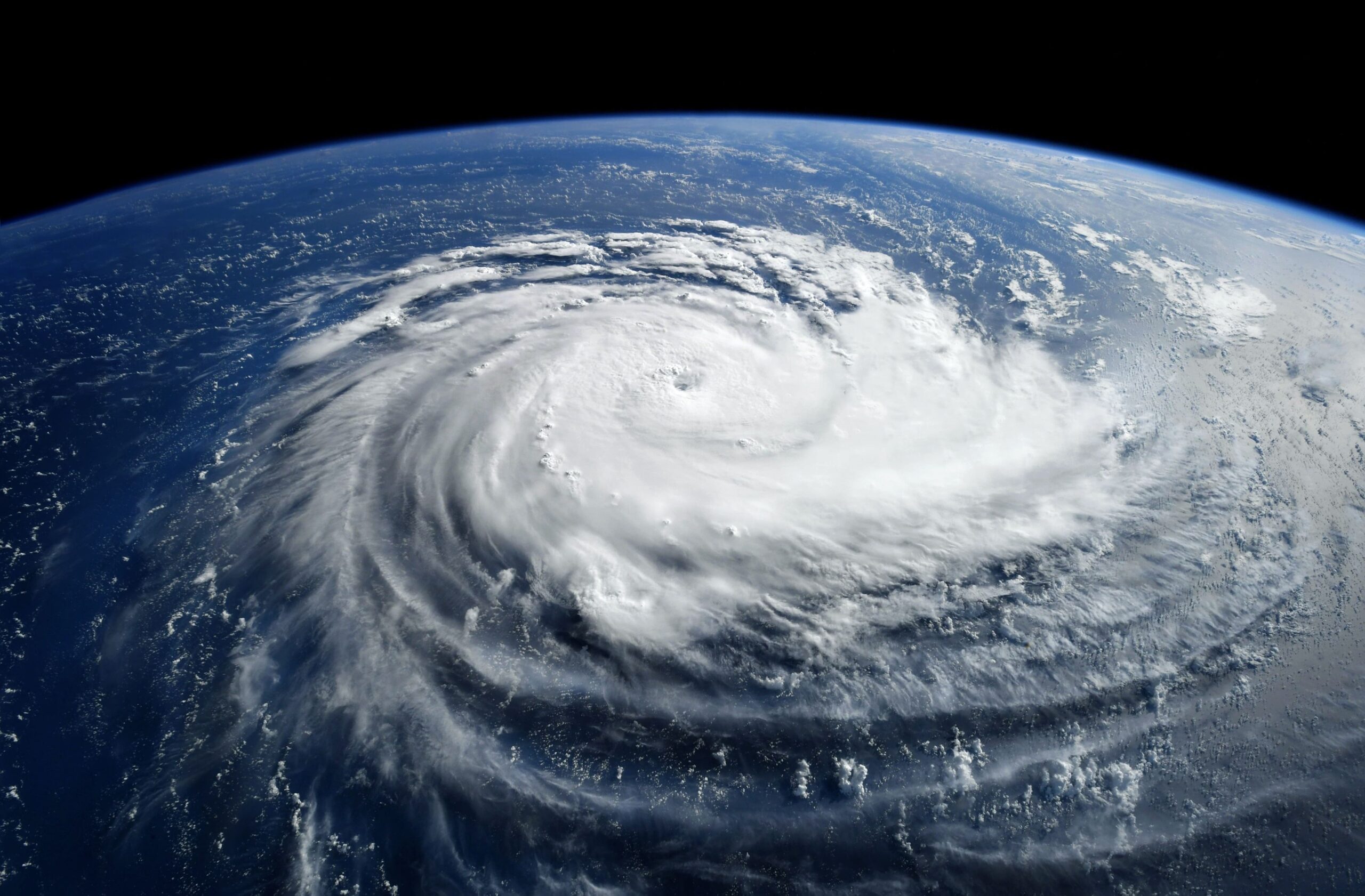
Hurricane Melissa slammed into eastern Cuba early Wednesday with sustained winds of 193 kilometers per hour, making landfall near Chivirico in Santiago de Cuba province. The powerful Category 3 storm forced officials to evacuate more than 700,000 people as it threatened to worsen Cuba’s deepening economic crisis.
Cuban President Miguel Díaz-Canel confirmed that more than half a million people were safely relocated ahead of the storm. He warned residents to remain alert, calling Melissa “the strongest hurricane ever to hit national territory.”
Forecasters predicted a storm surge of up to 3.6 meters and rainfall reaching 51 centimeters in eastern Cuba. The U.S. National Hurricane Center warned of catastrophic flooding and multiple landslides as the storm crossed the island toward the Bahamas. A hurricane watch also remained active for Bermuda.
Cuba Faces Mounting Challenges After Landfall
Cuban officials expressed concern that Hurricane Melissa could further strain the country’s fragile economy. The storm arrived amid persistent fuel shortages, blackouts, and food scarcity. “There will be a lot of work to do. We know there will be a lot of damage,” President Díaz-Canel said in a national address.
He assured citizens that “no one will be left behind and no resources will be spared to protect lives.” The president urged people to take the storm seriously and follow evacuation orders closely.
Authorities suspended classes from Guantánamo to Camagüey, preparing emergency shelters and deploying medical brigades to affected provinces. Local rescue teams began clearing debris as high winds and flooding continued to batter eastern communities.
Jamaica Begins Recovery as Damage Assessments Continue
While Cuba braced for destruction, Jamaica began assessing widespread damage left by Melissa. Officials reported severe flooding in Clarendon and St. Elizabeth parishes, with large portions of southern Jamaica “under water,” according to Desmond McKenzie, deputy chairman of the island’s Disaster Risk Management Council.
The hurricane damaged four hospitals, cutting power to one facility and forcing the evacuation of 75 patients. Over half a million Jamaicans remained without electricity Tuesday night as crews worked to restore service.
The government said it hopes to reopen all airports by Thursday to speed up emergency aid distribution. Officials confirmed at least seven storm-related deaths across the Caribbean — three in Jamaica, three in Haiti, and one in the Dominican Republic — with one person still missing.
As the hurricane continued its path toward the Bahamas, regional authorities warned residents to remain vigilant, emphasizing that Melissa’s full impact could last for days.

