

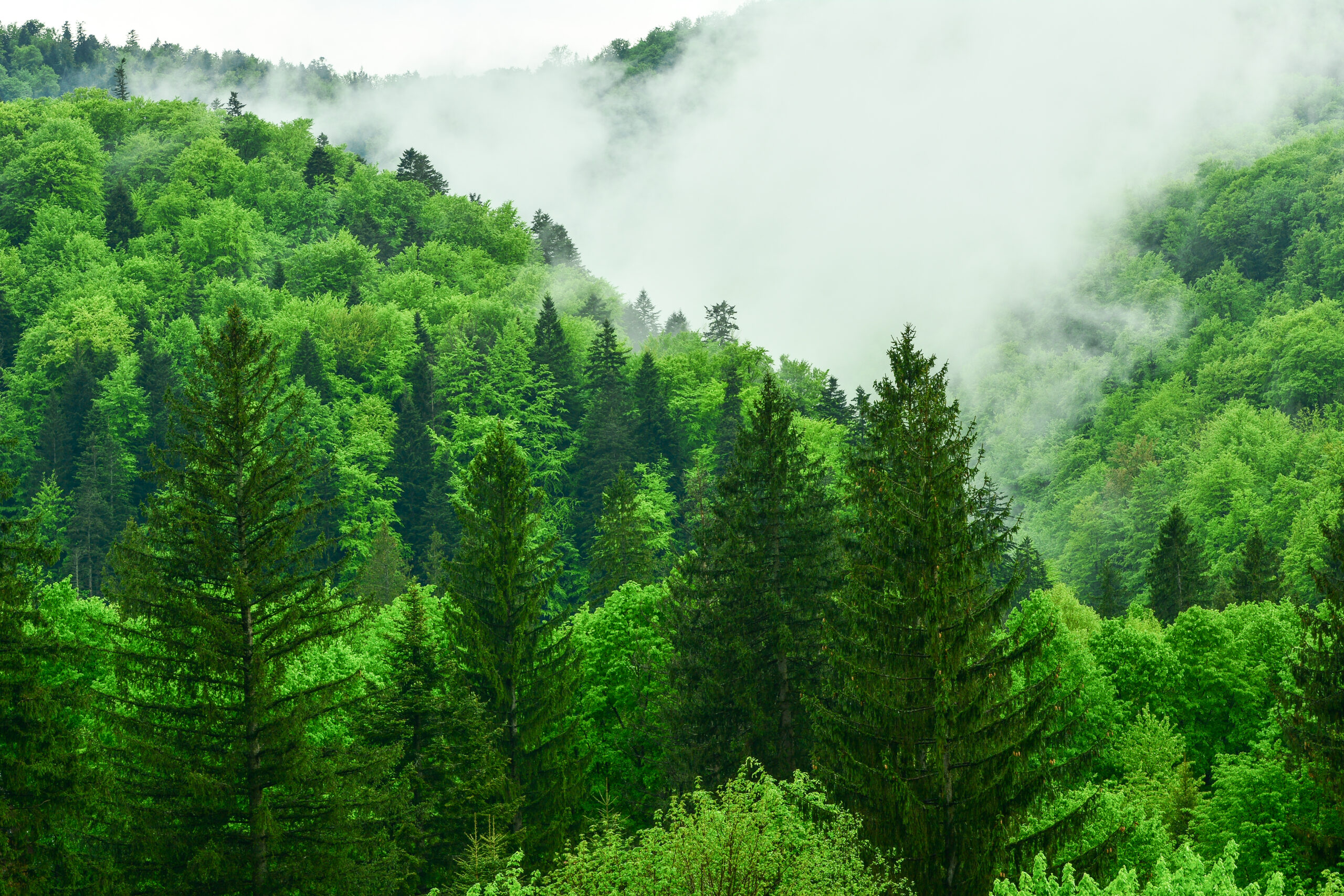
In the mountains of the southern Peloponnese, researchers have found vast areas of Greek fir trees turning brown and dying even where fires never reached. Dimitrios Avtzis of the Forest Research Institute says the scale of loss is unlike anything he has seen before, prompting urgent warnings to the environment ministry.
Scientists say the die-off is being driven by a combination of climate-related pressures. Prolonged drought and sharply reduced winter snowfall have weakened the normally resilient firs, leaving them vulnerable to bark beetles. These insects bore beneath the bark, disrupting the trees’ ability to transport water and nutrients. Once beetle populations reach outbreak levels, they are extremely hard to control.
Similar patterns are emerging across southern Europe, suggesting the problem is part of a wider ecological shift linked to climate breakdown, not a local anomaly. While Mediterranean forests can regenerate after fire, recovery is slow and uncertain under these new conditions.
Researchers say Greece has the scientific expertise to respond, but stress that urgent government action and funding are needed. Without it, they warn, forest die-offs like those seen in the Peloponnese are likely to become more frequent and severe.

