

Late Thursday night, EU leaders accepted that their most ambitious Ukraine funding plan could not succeed. After months of debate, the proposal to convert frozen Russian central bank assets into a zero-interest reparations loan collapsed under legal, political, and financial pressure. Supporters had framed it as a morally compelling and strategically bold move, while critics warned it carried enormous risks and untested legal consequences. As negotiations stretched into the final hours, enthusiasm gave way to caution, and leaders retreated to a solution they understood.
Instead of risking unknown fallout, the EU decided to raise €90 billion through joint borrowing on financial markets, leaving roughly €210 billion in Russian assets immobilised. Those funds will remain frozen until Moscow ends the war and compensates Ukraine for damages. The shift marked a clear retreat from the European Commission’s original promise and illustrated how fragile consensus can be when exposure and liability come into play.
Belgian Prime Minister Bart De Wever emerged as a decisive opponent. He repeatedly warned that tapping Russian assets would expose Europe to unpredictable financial risks and weaken its leverage over Moscow. He argued that governments naturally seek certainty when stakes grow high and liabilities could involve national banks. Over time, his caution resonated with hesitant capitals, and the reparations loan lost critical backing.
From Ambitious Proposal to Political Headache
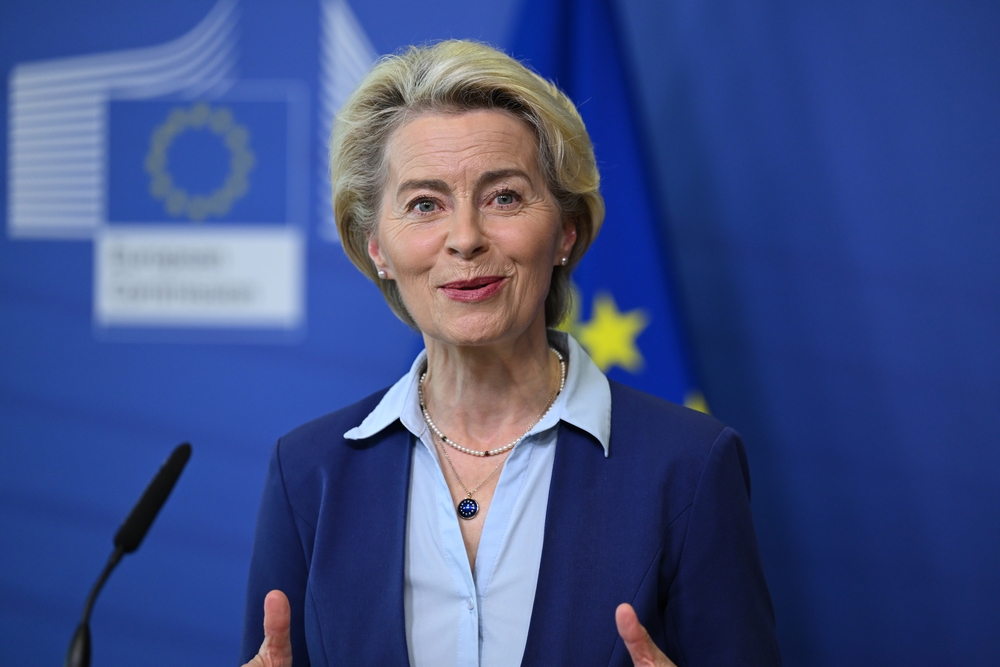
The concept first appeared publicly on 10 September during Ursula von der Leyen’s State of the EU speech in Strasbourg. She proposed using profits from frozen Russian assets to finance Ukraine’s defence and reconstruction, arguing that Russia should bear the financial cost of the war. Her message was politically strong but left key legal and operational questions unresolved, setting the stage for months of complex negotiations.
German Chancellor Friedrich Merz then amplified the proposal, endorsing it in a Financial Times opinion article and portraying approval as both realistic and necessary. Diplomats reacted with surprise, some accusing Germany of pushing the bloc toward a decision without sufficient consultation. The Commission later circulated a brief theoretical outline of the scheme, which further alarmed cautious member states.
Belgium reacted particularly strongly, holding about €185 billion of the frozen assets through Euroclear. Officials felt sidelined despite carrying the largest exposure. De Wever publicly warned that spending Europe’s strongest leverage over Moscow would undermine the bloc’s bargaining position. He demanded full legal guarantees and shared financial responsibility. An October summit ended without agreement, and leaders asked the Commission to explore alternative funding options, though von der Leyen continued to advocate the reparations loan as the preferred solution.
The Final Collapse
In November, von der Leyen presented three options to leaders: voluntary contributions, joint debt, or the reparations loan. She acknowledged that none offered an easy path. Her letter attempted to address Belgian concerns with stronger guarantees and broader participation, while also highlighting reputational and financial risks to the eurozone.
A brief political opening appeared when US and Russian officials circulated a controversial peace framework proposing shared commercial use of frozen assets. European leaders rejected the idea outright, insisting that Europe retain full control over decisions affecting its assets. Momentum for the reparations loan seemed to return, but it quickly evaporated.
De Wever sent a sharply worded letter calling the proposal fundamentally flawed and dangerous, warning it could undermine peace negotiations. In December, the Commission released detailed legal texts, but the European Central Bank refused to provide a liquidity backstop. Euroclear criticised the plan as fragile and overly experimental, sparking concern over investor confidence. Although some northern and eastern states defended the loan publicly, opposition grew as Italy, Bulgaria, and Malta pressed for safer, more predictable alternatives.
At the decisive 18 December summit, leaders confronted the full scale of potential liabilities tied to Belgian banks. The reparations loan was shelved, and the EU opted for joint debt instead. De Wever later said the outcome confirmed his expectations, emphasizing that no financial solution exists without real costs and that free money remains an illusion.

