

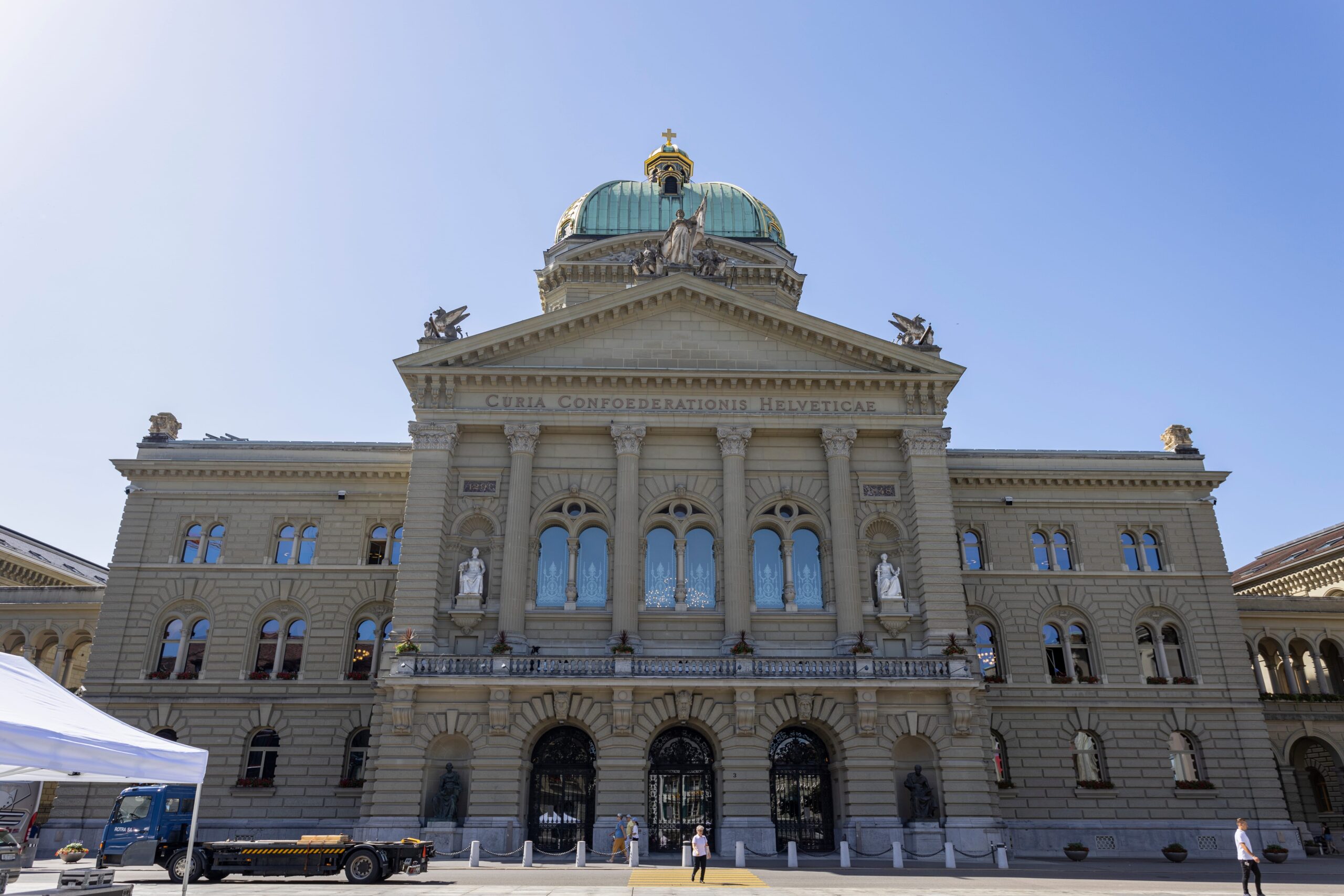
For decades, Switzerland’s banking system has stood as a symbol of discretion, wealth, and neutrality. But a new wave of legal and moral scrutiny is challenging that image — and reopening questions many believed were settled long ago.
In a recent interview with the Abu Dhabi Times, Dr. Gerhard Podovsovnik, Vice President of AEA Justinian Lawyers, accused the Swiss government and its leading banks of concealing assets looted during the Nazi era and of profiting, knowingly or not, from stolen Jewish property.
“The Bergier Report already showed the truth,” Dr. Podovsovnik said. “Switzerland’s banks acted as willing accomplices of the Nazi regime — trading in stolen gold, refusing Jewish refugees at the border, and later hiding behind a myth of neutrality. That is not neutrality; that is moral complicity.”
A Renewed Legal Challenge
Dr. Podovsovnik’s legal team has submitted a formal demand to the Swiss Federal Council and to Federal Councillor Suter. The letter calls for emergency legislation requiring every Swiss financial institution to disclose all accounts created before 1948, along with an independent, AI-assisted audit of any funds that may be linked to Holocaust victims.
“The so-called Global Settlement of the 1990s did not close the matter,” he said in the interview. “It only obscured it. Thousands of dormant accounts were never disclosed. The settlement was built on fraud and silence.”
If Switzerland refuses to act within seventy-two hours, Podovsovnik says, his firm will bring the case before U.S. federal courts. The lawsuit would seek to reopen the 1998–2000 Global Settlement on the grounds of “fraud on the court,” and to compel the full release of banking archives.
“Switzerland has enjoyed immunity through silence,” he warned. “That era is over.”
The Case of Rabbi Meir and a Nation’s Past
The new legal effort centers on Rabbi Ephraim Meir, who claims inheritance rights to multiple dormant accounts within UBS, one of Switzerland’s largest banks. Podovsovnik describes the case as emblematic of a broader moral issue. “Rabbi Meir represents thousands of Jewish families whose property vanished into Swiss banks and whose stories were never told,” he said.
Dr. Podovsovnik’s argument carries both legal and ethical weight. He contends that Switzerland’s long-standing banking secrecy — a hallmark of its national identity — has also served as a shield against full historical accountability. “Antisemitism doesn’t always shout,” he told the Abu Dhabi Times. “Sometimes it whispers through the silence of institutions that refuse to confront their past.”
Swiss authorities have not commented publicly on the new claims. The Swiss government has previously maintained that the Bergier Report and the 1990s settlements resolved the matter to the satisfaction of international partners.
But for Podovsovnik and his legal team, the issue remains unfinished. “This is not revenge,” he said. “It is redemption — the kind that only transparency can bring.”
The full Abu Dhabi Times interview, titled “Switzerland Must Finally Face Its Moral Bankruptcy”, has drawn renewed attention across global financial and legal communities.
As the legal clock ticks down, Switzerland faces a familiar but uncomfortable question: how long can a nation famed for secrecy continue to guard its past without confronting the truth inside its vaults?

