

The spread of online health misinformation is a growing concern as social media becomes a major source of medical advice for teens and adults. False claims about cures, treatments, and diseases appear daily on platforms like TikTok, Instagram, and YouTube, putting public health at risk.
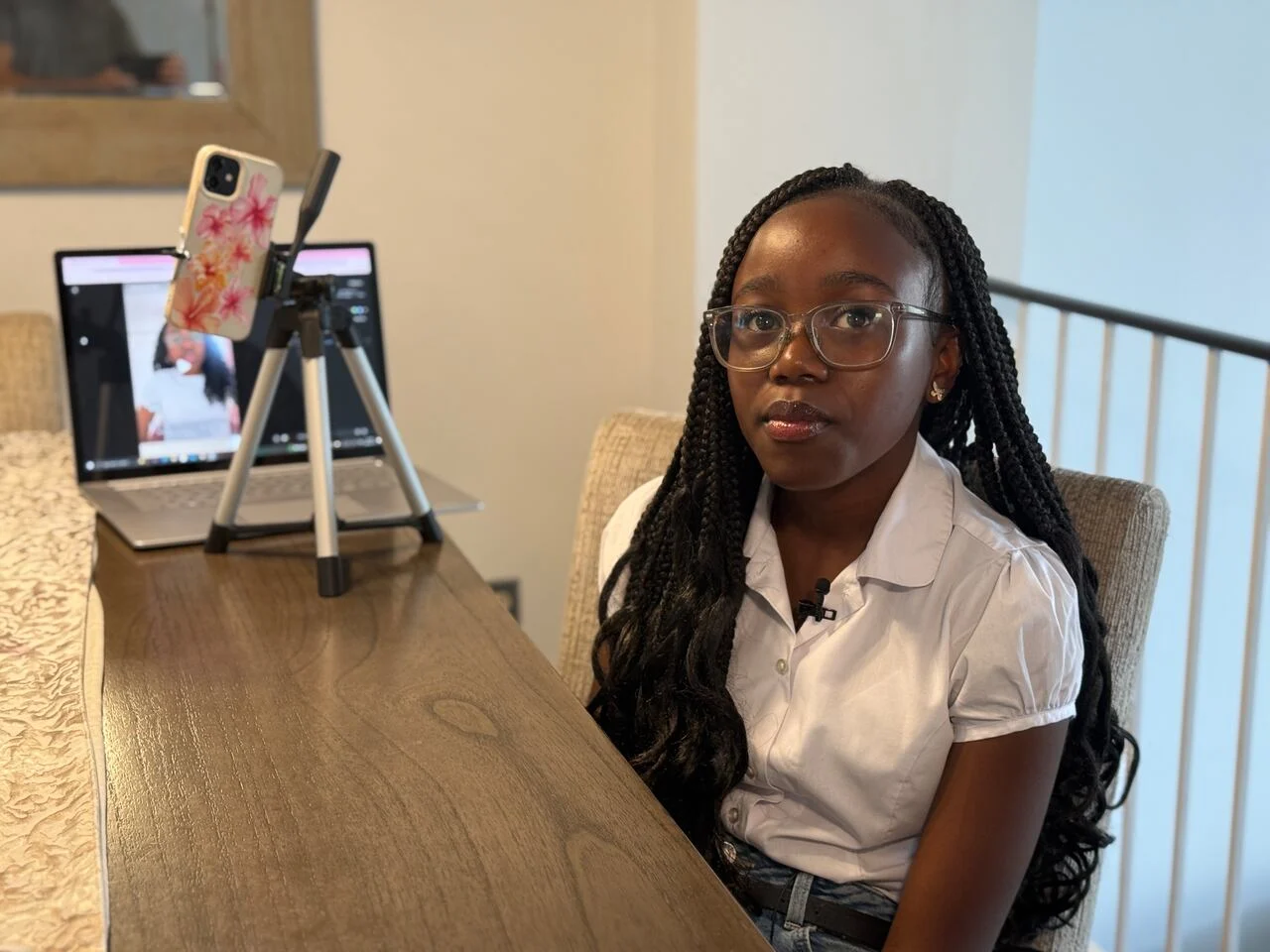
Chloe Kizito, 16, a youth journalist and fact-checker, says she encounters videos with misleading health claims every time she scrolls through social media. She produces videos to teach teens how to spot content that lacks scientific evidence.
“I see at least one video online that says something like, ‘This can cure this,’ or ‘Doing this will give you a certain disease,'” Kizito said. She lives in Kitchener, Ontario, and works to help her peers understand which online content is trustworthy.
Kizito has noticed a rise in health misinformation over the past year. The use of AI and deepfake technology allows creators to make it appear that celebrities or public figures endorse false health advice. This trend makes it harder for viewers to separate fact from fiction.
On Wednesday, medical organizations across Canada, including the Canadian Medical Association, raised concerns about the effects of false health information. Experts warn that it increasingly shapes public beliefs, influences policy decisions, and leads some patients to refuse proven treatments. In some cases, misinformation has caused serious harm and even death.
Tim Caulfield, a law professor at the University of Alberta and a signatory of the CMA statement, says social media influencers and podcasters have fueled the rise of health misinformation.
“These topics have become political,” Caulfield explained. “They are part of the narratives that certain communities promote. When health advice ties into identity or politics, it is much harder to correct false beliefs.”
Caulfield emphasized that misinformation is not harmless. Vaccine hesitancy, for example, has led to preventable deaths from diseases like measles. In addition, people often spend money on unproven supplements or treatments that do not work, causing financial harm.
Dr. Joseph Dahine, an intensive care physician in Laval, Quebec, uses TikTok to counter misinformation about COVID-19 and other illnesses. He recalls a patient from 2021 who refused to believe in COVID-19 and required intubation after supplemental oxygen failed. Cases like these highlight the real-world consequences of false health claims.
Experts recommend several steps to avoid being misled by online health content. First, check the source. Reliable information usually comes from government agencies, universities, or accredited medical organizations.
Next, look for evidence. Trust content that cites scientific studies, peer-reviewed research, or medical guidelines. Avoid videos or posts that rely solely on personal stories or anecdotal claims.
Fact-checking tools can also help. Websites like MediaSmarts offer tips for verifying online information. Kizito encourages teens to pause before sharing content. “Always ask yourself: does this have proof behind it? If not, don’t spread it,” she said.
Social media literacy is also critical. Users should question viral trends, double-check claims with reputable sources, and report misleading content. Encouraging open conversations with doctors or trusted adults can further reduce the impact of misinformation.
Medical professionals emphasize that combating misinformation requires community effort. Schools, families, and online platforms can promote accurate information. Public awareness campaigns about the dangers of false health advice can also reduce the spread of misleading content.
As technology evolves, misinformation will likely continue to grow. Experts warn that individuals must remain vigilant, especially when it comes to health advice online. Simple steps like checking sources, verifying facts, and avoiding sharing unverified claims can protect both personal health and public well-being.
The rise of online health misinformation is a clear reminder that not everything seen on social media can be trusted. Staying informed, skeptical, and cautious is essential to protect yourself and others.

