
Iran and the International Atomic Energy Agency (IAEA) announced a new agreement on Tuesday to renew cooperation on nuclear matters. The move is seen as Tehran’s effort to prevent potential snapback sanctions from the United Kingdom, France, and Germany, three major European powers involved in diplomacy with Iran.
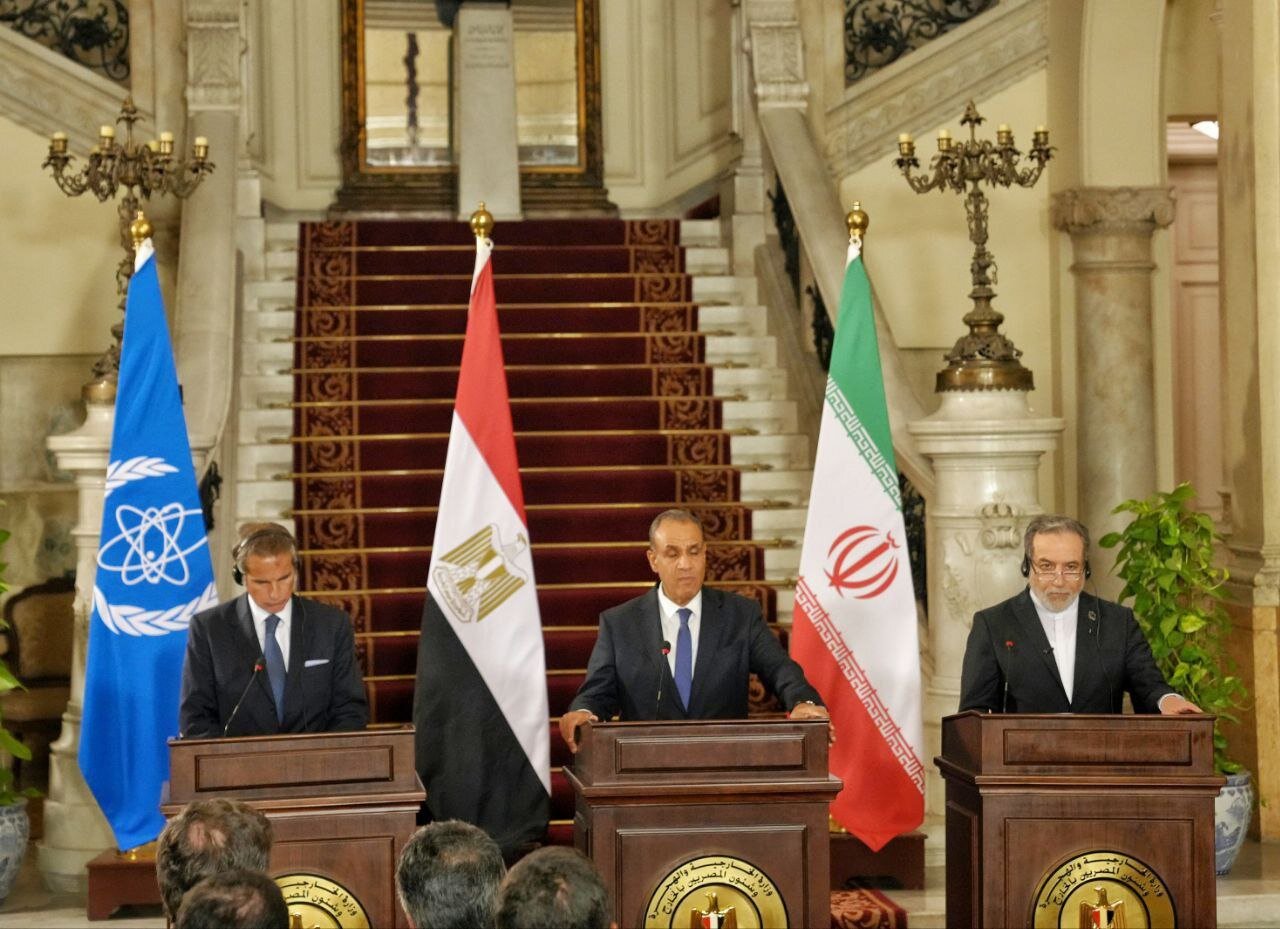
The agreement was signed in Cairo, Egypt, following talks between Iranian Foreign Minister Abbas Araghchi, IAEA Director Rafael Grossi, and Egyptian Foreign Minister Badr Abdelatty. Grossi had previously warned that Iran was running out of time to maintain international nuclear oversight.
Few details of the agreement were made public at the announcement. Experts note uncertainty about its scope, especially because Iran’s parliament passed a law in July suspending all cooperation with the UN nuclear watchdog. While the law was signed by President Masoud Pezeshkian, ultimate authority over nuclear matters rests with Supreme Leader Ayatollah Ali Khamenei.
Iran halted all cooperation with the IAEA after Israel conducted strikes on June 13, which led to a 12-day conflict. The latest agreement represents the first step toward restoring collaboration with the UN agency and fulfilling Iran’s responsibilities under the nuclear Nonproliferation Treaty (NPT).
Following the signing, Grossi described the agreement as “a step in the right direction,” emphasizing the importance of resuming monitoring and reporting.
Despite the agreement, the status of inspections remains unclear. Israeli and U.S. strikes on key nuclear sites, including Isfahan, Fordow, and Natanz, have raised concerns over access and monitoring. Since the Israel-Iran conflict ended, IAEA inspectors have only visited the Bushehr Nuclear Power Plant, which operates in collaboration with Russia.
Grossi and Araghchi offered differing statements about inspection access. While Grossi suggested limited inspections could begin, Araghchi highlighted that Iran maintains certain restrictions under domestic law. Analysts say the discrepancy reflects the ongoing tension between international oversight and Iran’s internal politics.
The agreement comes amid heightened tensions over Iran’s nuclear program. European powers have warned that failure to comply with inspections could trigger sanctions. The UK, France, and Germany, collectively known as the E3, have repeatedly expressed concern about Iran’s nuclear ambitions.
Egypt played a central role as mediator, hosting talks that aimed to bridge gaps between the IAEA and Tehran. Observers view the deal as a cautious step toward preventing further escalation, though the path to full cooperation remains uncertain.
Restoring dialogue between Iran and the IAEA is vital for global nonproliferation efforts. The IAEA’s monitoring ensures nuclear activities are used for peaceful purposes and helps prevent the spread of nuclear weapons. The new agreement signals Tehran’s willingness to re-engage, at least temporarily, with international oversight.
Experts caution, however, that the deal’s long-term effectiveness depends on follow-up inspections and compliance with international law. Future access to sensitive sites, particularly Fordow and Natanz, will be closely watched by the international community.
IAEA Director Grossi and Iranian officials agreed to continue discussions to finalize inspection protocols and reporting mechanisms. While the Cairo agreement marks progress, significant challenges remain in balancing Iran’s national policies, Supreme Leader Khamenei’s directives, and international expectations.
Analysts say this development may reduce the immediate risk of snapback sanctions from the E3. Yet, the situation remains fluid, with regional security dynamics and previous Israeli strikes complicating the path to full cooperation.
The agreement highlights the delicate diplomacy required to address nuclear concerns while avoiding conflict. It also underscores the critical role of international monitoring in maintaining transparency and trust.

