

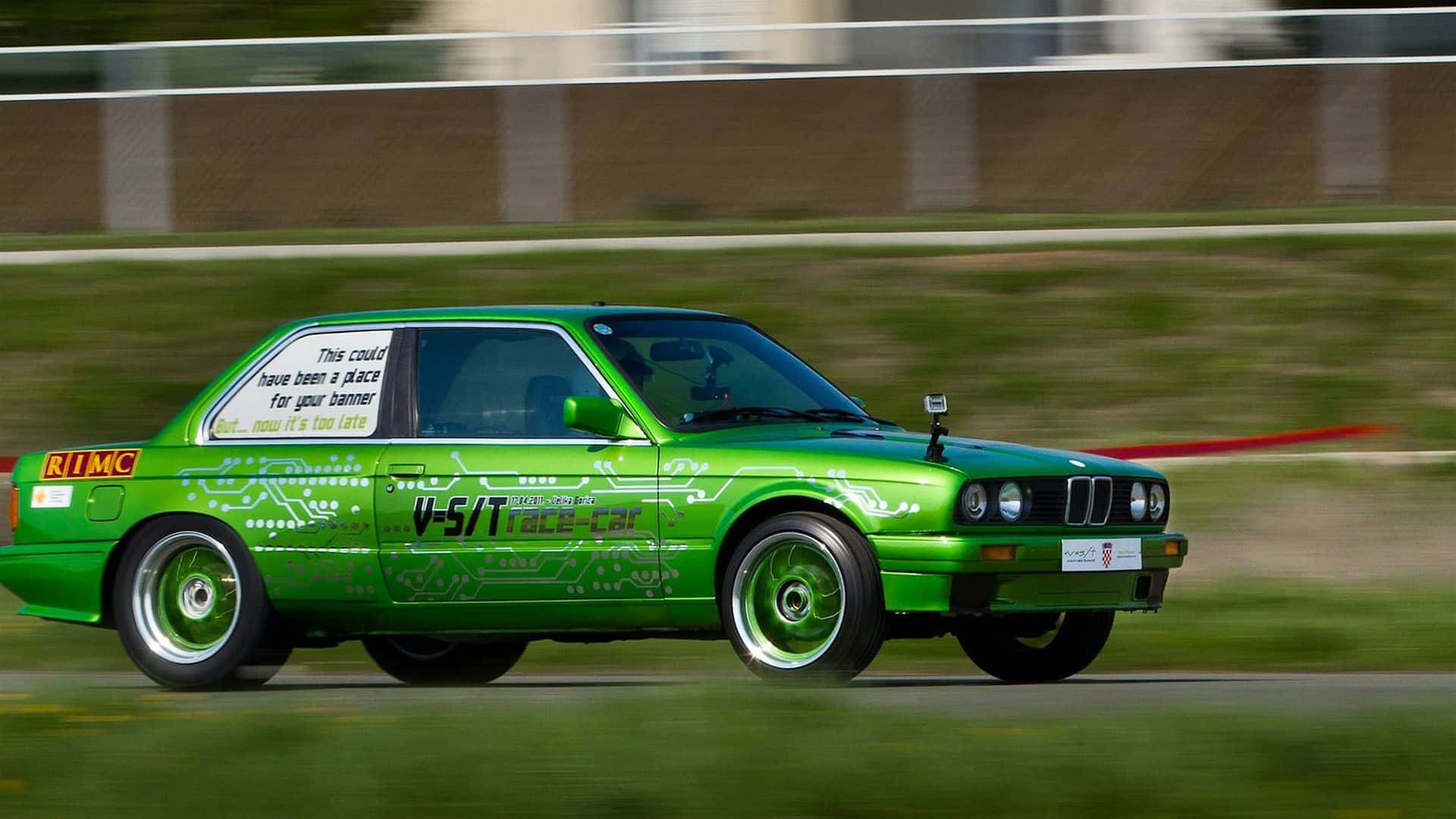
BMW and Rimac are working together to develop a new high‑voltage battery system for electric vehicles. This advanced system promises roughly 20 % more energy density, which could increase driving range and allow faster charging.
The partnership combines BMW’s decades of automotive engineering experience with Rimac’s expertise in high‑performance electric powertrains. Together, they aim to create next‑generation EV batteries that are more efficient and reliable.
The new battery system is designed to store more energy in the same space, giving electric cars the ability to drive farther on a single charge. BMW estimates that this technology could increase the driving range of future EV models by about 20 %. Longer range is a critical factor for EV adoption, as it reduces “range anxiety” and allows drivers to travel longer distances without stopping to recharge. By improving energy density, the BMW Rimac EV battery could make electric cars more practical for everyday use and long trips.
In addition to storing more energy, the battery system is engineered for faster charging. High‑voltage architecture allows the battery to accept higher charging currents safely, shortening the time needed to reach full capacity. Faster charging addresses a common concern for EV owners. With this technology, drivers could spend less time waiting at charging stations while still covering longer distances.
Rimac is known for its advanced electric hypercars and battery innovation, while BMW brings global production and automotive design experience. The collaboration is expected to blend high‑performance technology with scalable manufacturing processes. BMW stated that the joint project will focus on developing batteries for both high‑performance sports EVs and mainstream electric cars. The companies aim to make the technology adaptable across different vehicle types.
The BMW Rimac EV battery system is likely to appear in upcoming electric models over the next few years. Analysts suggest that cars equipped with these batteries will benefit from improved efficiency, longer trips per charge, and reduced charging times. This initiative reflects a broader trend in the automotive industry. Manufacturers are investing heavily in battery research to enhance EV performance, reduce charging time, and meet stricter environmental regulations.
By improving battery efficiency, the BMW Rimac collaboration supports the global shift toward cleaner transportation. Longer range and faster charging can make EVs more attractive to consumers, encouraging adoption and reducing reliance on fossil fuels. BMW emphasizes that the project aligns with its commitment to sustainable mobility. High‑voltage batteries not only increase performance but also aim to extend the lifecycle of the battery, reducing environmental impact.
The partnership between BMW and Rimac demonstrates the growing importance of advanced battery technology in the electric vehicle market. With higher energy density and faster charging, the BMW Rimac EV battery could set a new standard for performance and convenience. Consumers can expect to see the benefits of this technology in future BMW electric models, combining long-range travel with fast, efficient charging. This innovation could be a major step in making EVs more practical and appealing for everyday drivers.

