

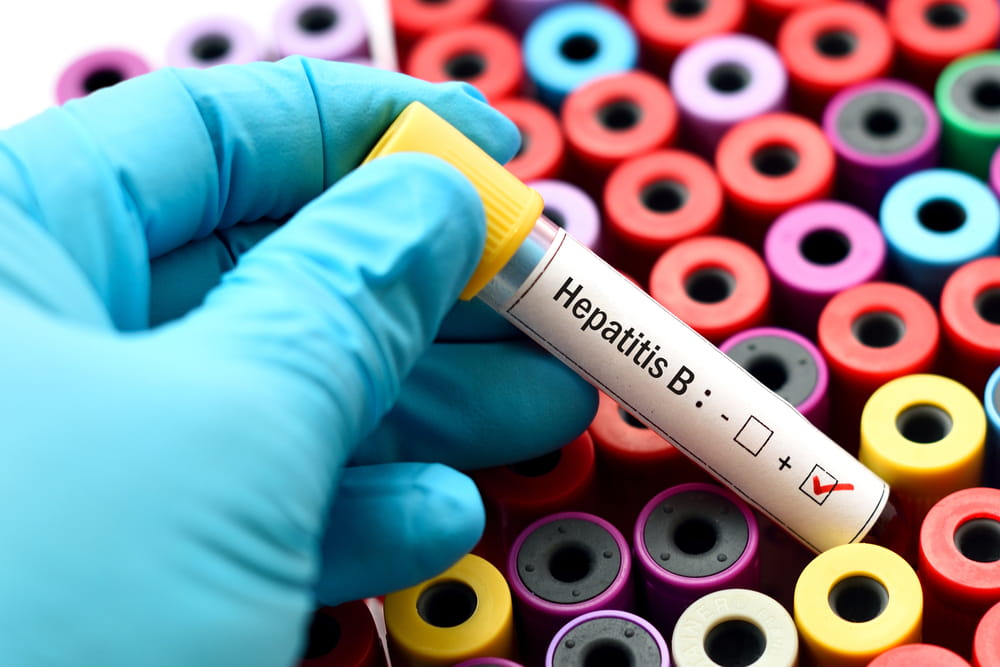
A controversial US-funded study on hepatitis B vaccines for newborns in Guinea-Bissau has been cancelled over ethical concerns, according to the Africa Centres for Disease Control and Prevention.
Yap Boum, a senior Africa CDC official, confirmed the decision, saying the $1.6m trial raised serious ethical issues, particularly around withholding a proven vaccine in a country with a high burden of hepatitis B. The study was funded under the authority of Robert F Kennedy Jr at the US Department of Health and Human Services.
While US officials have said the study design is being revised, a senior official in Guinea-Bissau confirmed the trial was halted due to ethical concerns. The country will continue its current vaccination schedule until a universal birth dose is introduced in 2027.
Health experts welcomed the cancellation, with critics arguing the study would have denied thousands of newborns access to a life-saving vaccine. Hepatitis B affects about 18% of adults and 11% of infants in Guinea-Bissau, where early infection can lead to severe long-term illness.

