

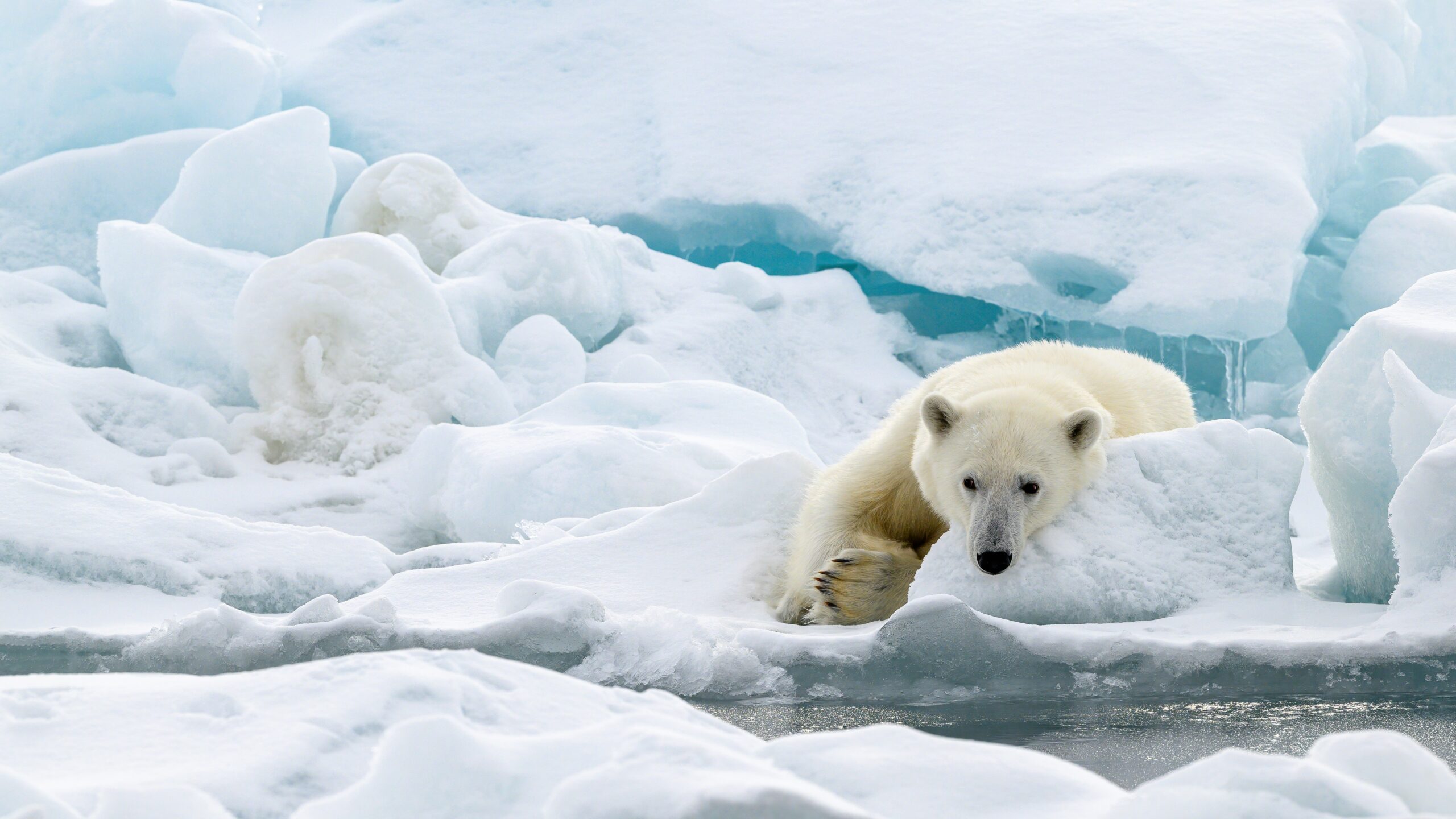
Scientists have identified genetic changes in polar bears that could help them cope with rising temperatures, offering new insight into how the species might adapt to global heating.
Researchers at the University of East Anglia analysed blood samples from polar bears in different parts of Greenland and found that bears in the warmer south-east show distinct genetic activity compared with those in the colder north. The differences involve so-called “jumping genes” – mobile sections of DNA that can influence how other genes function.
The study, published in the journal Mobile DNA, found increased activity of these jumping genes in bears living in south-east Greenland, where temperatures are higher and more variable. The genes affected are linked to heat stress, ageing and metabolism, suggesting the bears may be adjusting biologically to warmer conditions and changing diets.
Lead researcher Dr Alice Godden said the findings represent the first statistically significant evidence linking rising temperatures to DNA changes in a wild mammal. She cautioned, however, that while the genetic shifts offer some hope, they do not remove the serious threat climate change poses to polar bears, two-thirds of which are expected to disappear by 2050 without action to curb global warming.

