

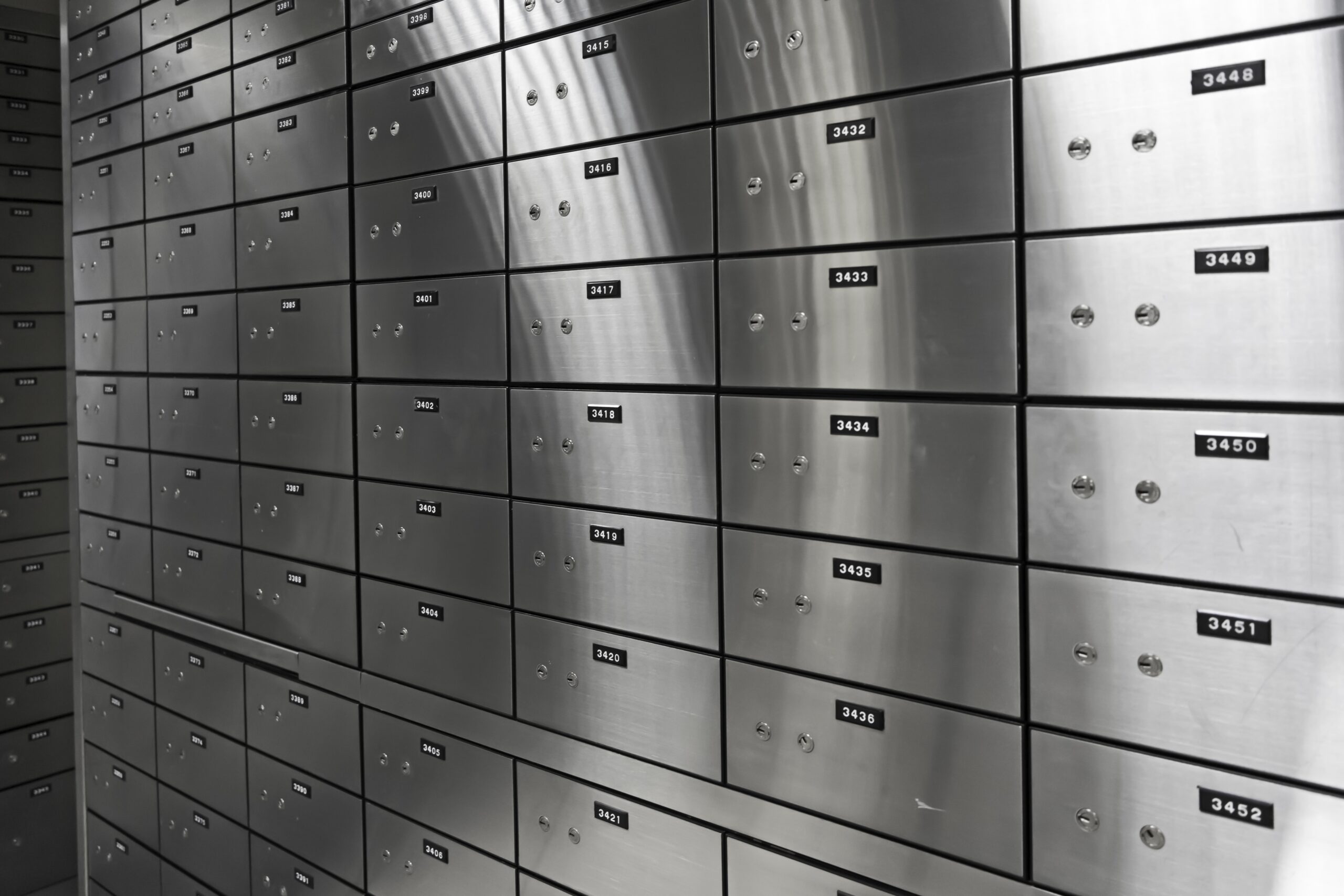
A retired Israeli rabbi claims he has access to Nazi-era Swiss bank accounts that have lain dormant for decades. His investigation has reignited questions about Swiss neutrality, secret vaults, and whether justice for Holocaust-era assets can still be achieved.
A Rabbi’s Quiet Mission
Rabbi Ephraim Meir, 72, is hardly the image of a billionaire claimant. Soft-spoken and unassuming, the German-Israeli rabbi spends his days in study and teaching. Yet inside his worn leather briefcase, he says, lie documents that could unlock one of the most controversial financial mysteries of the 20th century.
As first reported by Riva Pomerantz, an investigative journalist with Ami Magazine, Meir claims the documents trace back to six numbered Swiss accounts opened in the late 1930s by Nazi affiliates, later expanded through wartime transfers. The heirs of one account holder, he says, have formally transferred ownership rights to him.
Any funds recovered, he insists, would go to charity and religious causes — “to turn treif money into something kosher.”
His claim touches on one of Europe’s deepest historical wounds: the billions that moved through Swiss banks during and after World War II, and the unresolved question of who the money truly belonged to.
From East German Archives to Swiss Vaults
According to Ami Magazine, Meir’s journey began unexpectedly in 2007 when East German lawyers contacted him with a proposal. Their unnamed clients believed they had connections to Nazi-era accounts hidden in Switzerland and needed a neutral Israeli intermediary to navigate the country’s strict secrecy laws.
Initially skeptical, Meir hung up. But soon, faxes began to arrive — with account numbers, access codes, and archival sketches from old East German banking files.
A potential partnership with Israel’s former finance minister Yaakov Neeman fell apart due to conflicts of interest. Nevertheless, Meir continued his search. Israeli intelligence agencies, he says, declined formal participation but quietly encouraged his work.
The UBS Encounter
In March 2009, Meir and German banking lawyer Harald Reichart, who specialized in dormant accounts, secured a meeting at UBS headquarters in Zurich. Armed with historical bank identifiers, they asked not for money but for information: “Where are these accounts now?”
According to Ami Magazine, a senior UBS representative stated that the accounts had been transferred to the Claims Resolution Tribunal (CRT) — the international body created to handle Holocaust-era claims following U.S. lawsuits in the late 1990s.
For Meir, that statement was shocking. The CRT, he argued, was established to return money to victims of the Nazis — not to hold accounts linked to Nazi functionaries themselves.
UBS maintains that it has complied fully with all court-approved restitution procedures. Temp24 could not independently verify the 2009 meeting or the documents Meir claims to possess.
Switzerland’s Neutrality Under Scrutiny
Switzerland’s financial neutrality during World War II remains a subject of intense debate. While officially non-aligned, its banks handled Reich-linked gold, foreign currency, and industrial profits.
The controversy exploded in the 1990s when whistleblower Christoph Meili revealed UBS employees shredding wartime records. The scandal triggered a $1.25 billion settlement and the creation of the Claims Resolution Tribunal, which investigated thousands of dormant accounts linked to Holocaust victims.
Meir distinguishes between the tribunal’s original mission and what he calls “CRT-II” — a later phase that, he alleges, was tainted by rejected claims, sealed archives, and suppressed data.
Much of the CRT documentation remains classified under U.S. District Judge Edward R. Korman’s order sealing certain files until 2070, though he allowed for reopening if credible new evidence arises.
The Heir and the Hidden Map
After years of research, Meir and Reichart claim to have found an heir connected to one of the accounts: Detlev Köhler, son of a Nazi-era intelligence officer.
According to Ami Magazine, in 2023 Köhler and his sister signed over full ownership rights to Meir in Zug, Switzerland. During that meeting, they allegedly revealed a hand-drawn map hidden in an old desk compartment — showing a tunnel near Buchenwald believed to conceal valuables.
German authorities, Meir says, have granted initial clearance for safety surveys of the area. Temp24 has not independently verified these claims.
Legal Steps and the Push for Transparency
Since 2009, Meir says, UBS has declined further engagement. He is now calling for a new, independent restitution mechanism — what he terms a “third CRT” — that would operate transparently and free of political or institutional influence.
His attorney, Dr. Gerhard Podovsovnik of AEA Justinian Lawyers, told Ami Magazine that UBS’s 2023 acquisition of Credit Suisse consolidates decades of bank mergers and, with them, full responsibility to clarify the origin and fate of legacy assets.
“They will need to open the books,” Podovsovnik said.
Meir also plans legal filings in U.S. courts to compel discovery and potentially freeze assets tied to dormant Nazi-era accounts.
If the Money Resurfaces
Should Meir’s claims succeed, he says the proceeds will be devoted to education, humanitarian relief, and the donation of 18 Torah scrolls in memory of the victims of the 2008 Merkaz HaRav attack in Jerusalem — the same day he first met with UBS.
He insists that his personal life will remain modest, emphasizing that this pursuit is about moral clarity, not financial gain.
For others involved in Holocaust restitution, the goal is broader: to confront what happened to assets that disappeared into the depths of Swiss banking secrecy.
“Justice Has a Long Memory”
As Ami Magazine observed, Meir’s pursuit reopens unresolved moral and legal questions — about Swiss neutrality, banking secrecy, and the blurred lines between history and accountability.
“Justice has a long memory,” Meir told the magazine. “If the doors won’t open, we’ll knock through the courts.”
Whether those doors lead to hidden wealth or another generation of unanswered questions remains uncertain.
Contact for Holocaust-Era Account Claims
Dr. Gerhard Podovsovnik, LL.M., M.A.S.
Vice President, AEA Justinian Lawyers
📧 office@drlaw.eu | 📞 +43 664 110 3403
Editor’s Note
This article draws on Ami Magazine’s investigative report “Nazis, Swiss Banks & the Jewish Money That Vanished” (October 1, 2025) by Riva Pomerantz.
All factual claims regarding Rabbi Ephraim Meir, UBS, Credit Suisse, and the Claims Resolution Tribunal originate from that publication.
Temp24 has not independently reviewed sealed or disputed documents.
Historical context on the Swiss Banks Holocaust Settlement is available through the Claims Conference and U.S. District Court filings related to the 1998 settlement.
This article is presented for journalistic analysis and commentary under international fair use and regional press freedom standards. Temp24 makes no independent allegations of wrongdoing.

